
Understanding battery energy storage systems for homes
Learn how a battery energy storage system (BESS) works in your home and how you can store solar energy, reduce your electricity bills and always count on reliable backup power.
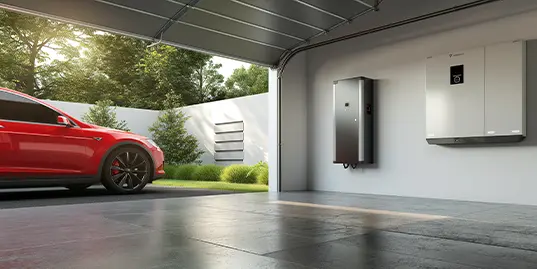
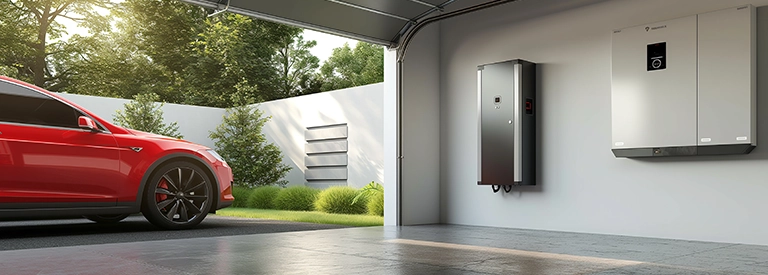
Understanding battery energy storage systems for homes
Learn how a battery energy storage system (BESS) works in your home and how you can store solar energy, reduce your electricity bills and always count on reliable backup power.
BESS are changing the way homes use and manage electricity. These systems offer a smart, easy way to cut costs, use more clean energy and maintain reliable backup power for your entire home. In this guide, we’ll break down what a BESS is, how it works and how you can take advantage.
A BESS is much like a large-scale version of the batteries we already use throughout our lives. It stores energy from the power grid, as well as from renewable sources such as solar panels, and then releases it when needed.
One of its most important functions is kicking in to keep your lights and appliances running like normal if there's ever a power outage.
In addition to this backup function, a BESS can help save you money on electricity and use cleaner energy. A BESS can charge up from a home solar system, stockpiling energy when the sun is shining so it's available later.
A battery energy storage system is made up of several key parts that all work together:
Solar panels: Many systems pair with home solar systems, making it possible to store your own clean power for later use — especially at night or during outages.
Reliant has partnered with Sunrun to connect you with solar and backup power options for your home. Call now to speak with an expert and get started.
Smart software is what turns your battery into an energy-saving machine. It helps the system decide the best time to charge or discharge energy based on certain metrics, which may include:
By analyzing and leveraging this data, BESS software can extend the battery’s lifespan, reduce energy costs and help you take advantage of savings opportunities, like time-of-use rates or demand response programs.
BESSs are a smart way to take control of your home’s electricity use. There are multiple potential scenarios and use cases to consider, any of which may apply to your household.
Power outages can be an interruption of daily life, but with a BESS, you'll be able to keep your home up and running if one should happen. A BESS can keep the lights on, run important appliances and even power your devices should the grid go down.
Electricity costs can spike during peak demand hours, such as in the late afternoon or early evening. By using energy stored in your BESS during these peak periods, you can cut costs. This is called "peak shaving" and can add up to significant savings over time.
If you have a time-of-use plan, like an EV plan with free nighttime charging, you can stockpile energy during these reduced-rate periods. You can also save up energy in this way when the sun is shining on your rooftop array.
Some programs, like Reliant Battery Perks, allow your battery to help support the energy grid during periods of high demand. In return, you can earn money or bill credits just for allowing your battery to share energy when it’s needed most. It’s a great way to be part of the solution and get rewarded for it.
As more renewable energy sources, like wind and solar, are added to the power grid, your energy supply can fluctuate with weather changes. A BESS helps balance energy consumption by storing excess energy when there’s a surplus and releasing it when there’s not enough, which leads to better grid stability.
Battery storage makes it easier to use sustainable energy even when the sun isn’t shining or the wind isn’t blowing. By saving renewable energy to use later, you rely less on fossil fuels and shrink your carbon footprint.
Knowing how long a BESS can last helps you make the right choice and get the most out of your investment. With the right setup and care, your battery can keep delivering clean, reliable power for years to come.
Most lithium-ion battery systems last about 15 years and 6,000 to 8,000 cycles before they start to lose performance. Some of the newest models may last even longer. But with regular care and a little help from smart battery software, you can make sure your system stays strong for as long as possible.
Several everyday factors can impact how long your battery lasts:
While batteries can offer a lot of value on their own, they’re even more powerful when you combine them with clean energy sources like solar.
When you combine solar panels with a battery system, you can unlock even more value:
This combo is growing in popularity across Texas, especially as more residents take advantage of solar incentives and want greater control over their power.
Yes! You don’t need solar panels to benefit from a BESS. Without solar, the battery charges from the electric grid and can power your home during peak rate periods or outages.
A time-of-use plan offering reduced-rate (or even free) electricity during certain parts of the day means you can stockpile energy when it's more affordable.
A BESS adds even more value when part of a distributed energy resource system, such as community solar, microgrids or virtual power plants (VPPs). These systems are all about producing and sharing energy locally, which reduces demand on large, centralized power plants and makes the grid more beneficial for everyone.
Battery energy storage systems offer big benefits, but, like any technology, they also come with some notable challenges. Here are some common drawbacks to consider, and how the industry is working to address them:
To build batteries, materials like lithium, cobalt and nickel have to be mined. That process can raise environmental and ethical concerns.
The good news is that battery recycling is getting better every year, and more providers are working toward responsible sourcing and reuse. These include:
As more people install battery systems, the rules shaping how they connect to the grid and how you’re rewarded for using them are still taking shape. These challenges can include:
Battery storage is great for short-term use, like keeping essential appliances running, but most home systems aren't designed to power everything for long periods. Here’s what to keep in mind:
The right battery setup depends on your power generation needs. A trusted installer can help design a system that uses your power supply in the most cost-effective way possible.
Reliant can help you make the most of battery energy storage technology, whether you’re just starting your research or ready for a full energy transition in your home.
Reliant customers get access to:
A BESS puts you in control of how and when you use electricity, and now is the perfect time to take advantage of battery energy storage in your home. Reliant is here to guide you through every step, from exploring your options to finding a trusted installer.
Ready to take charge of your home's energy? Get started, or call us at 866-222-7100.
Select a category from the dropdown menu.


