


-
Yes, LEDs use up to 80% less electricity than traditional lightbulbs and provide the same level of brightness, making for highly efficient lighting and better light quality.

Get your 2 highest-use days a week FREE + $200 in bonus bill credits for extra savings.
Straightfoward plan with a locked-in energy charge.
Designed exclusively for smaller spaces.
Pricing Details
Early cancellation fee
Pricing Details
Early cancellation fee
Texas electricity pricing includes charges from Reliant and delivery charges from your TDSP/utility (CenterPoint Energy). The combined charges below divided by your total monthly usage equals your average price per kWh.
1 The total amounts assessed by a Transmission Distribution Service Provider (TDSP) for the delivery of electricity to a customer over poles, wires and other TDSP facilities, not including discretionary charges.
The real cost of LED vs. traditional lighting
Ever wonder if LED (light-emitting diode) bulbs are actually saving you money over traditional bulbs? Let's take a look at the pros and cons of these two light sources.
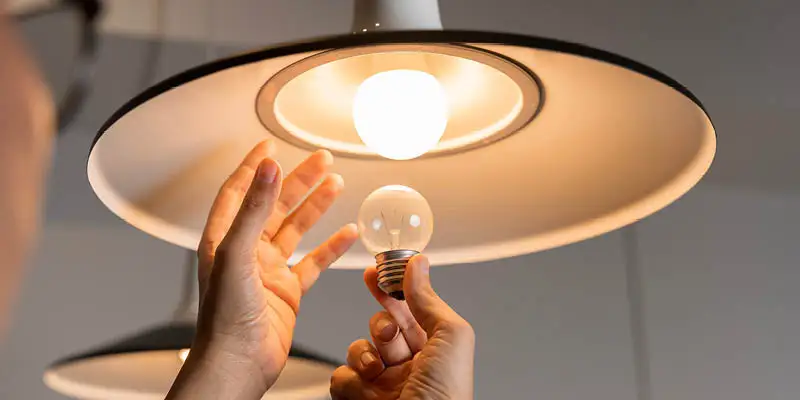
The real cost of LED vs. traditional lighting
Ever wonder if LED (light-emitting diode) bulbs are actually saving you money over traditional bulbs? Let's take a look at the pros and cons of these two light sources.
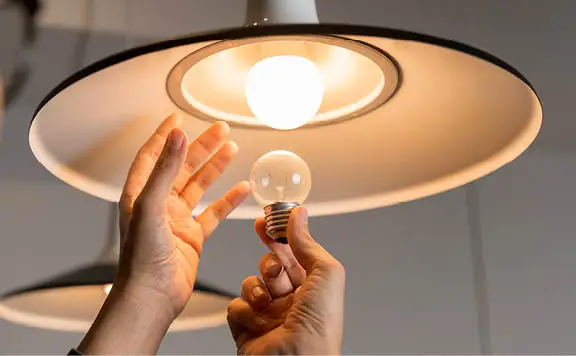
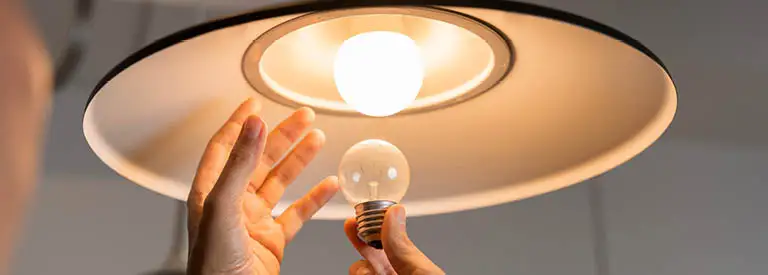
Start with a basic question: what’s the real difference between incandescent and LED lighting?
Over the last decade, LED adoption has skyrocketed nationwide. In Texas, that shift has been especially prominent, driven by growing energy-efficiency throughout homes and business places, changes to building codes and consumer demand for safer, more sustainable energy use.
Count on Reliant to help you make more informed, empowered choices in all the ways you use energy. Ready to find your Reliant electricity plan?
Most people think of lightbulbs in terms of wattage, but watts actually measure how much energy a bulb uses rather than its brightness. The real measure of brightness is lumens, and this is where LED bulbs really shine.
Let’s look at the numbers:
Using these measurements, LEDs can be up to seven times more efficient than traditional bulbs. You’re not only getting a larger amount of light, but it’s also using less power.
Here’s a quick example:
To produce roughly 3,000 lumens of light (enough to light a medium-sized room), you’d need:
That’s a huge difference — up to 85% less energy used with LEDs!
These savings add up over time, especially in businesses or areas where lights are used often or left on for long periods, like hallways, stairwells and outdoor fixtures.
LED bulbs typically cost more up front when compared to incandescent bulbs, but they can result in measurable savings over time.
At first glance, LEDs can cost more up front. Factoring in how much energy they save and how long they last, LEDs end up actually being much cheaper.
Let’s examine costs in the long run.
Initial price:
That initial difference may seem like a downside, but over time LEDs can pull ahead in value. Take a typical Texas household using ten lightbulbs for an average of three hours per day.
That’s a savings of around $60 per year, just from swapping out ten bulbs. If you take into account that LED bulbs last significantly longer, there’s added value in replacing them less often.
For someone scaling this across their entire home, or even an entire apartment complex, the up-front cost quickly pays for itself, making LEDs the smarter financial choice.
LEDs are usually more cost-effective over time, but there are a few specific situations where traditional incandescent bulbs might seem cheaper.
Apart from exceptions like these, LEDs tend to pull ahead as a more cost-effective and environmentally friendly choice.
LEDs can be more expensive up front, raising the question of how often they need to be replaced. Do they break easily? Do they burn out quickly?
LEDs far outperform incandescent bulbs in longevity across the board.
With a drastically longer life expectancy, the up-front costs of LED lights are practically insignificant compared to the savings they offer over time.
Compared to traditional bulbs, which can break easily and be sensitive to temperature and moisture, LED lights are significantly more durable.
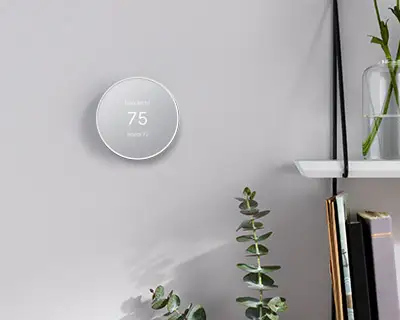
In addition to lighting, check out other connected smart home innovations that can help you save energy. Plus, explore Reliant electricity plans that work hand in hand with smart products.
Incandescent bulbs aren’t just inefficient and hot to the touch, they also contribute more to environmental waste and emissions than LEDs.
LEDs are the greener choice for four major reasons:
LEDs use up to 85% less electricity than incandescent bulbs for the same light output. In Texas, where energy demands spike during hot summer months, lower energy consumption means greater efficiency and thus lower emissions tied to electricity generation.
While incandescent bulbs typically last 750 to 1,000 hours, LED bulbs last 15,000 to 25,000 hours. That means fewer replacements and significantly less waste going to landfills over time, which is especially important in large residential communities with multiple light fixtures.
LEDs do not contain mercury or other hazardous substances often found in older lighting technologies, making them safer both during use as well as disposal.
Many LED bulbs are made with components like aluminum, plastic and glass that may be recycled through local programs. Several Texas municipalities accept LEDs at designated drop-off centers or during electronics recycling events.
Not all LED lightbulbs are the same. To make the best choice, keep a few energy-saving tips in mind as you shop around.
Look at lumens to understand how bright a bulb will be, instead of watts. To use an example, when replacing a 60-watt incandescent bulb, look for an 800-lumen LED; it provides the same brightness using only 8–12 watts. This will give you the light output you expect while using far less energy.
LEDs come in a range of color tones that can cool down or warm up your space – choose one that gives you the feeling you’re looking for.
Bulbs in the 5000–6500K range emit more blue light, which can improve alertness and visibility but may interfere with sleep if used late at night.
Bulbs with the ENERGY STAR® label have been tested to meet strict efficiency, brightness and longevity standards. Bulbs vetted this way should save energy and replacement costs over time.
If you use dimmer switches, be sure to buy LEDs labeled as dimmable. Also, check that they’re compatible with your dimmer model to avoid flickering or reducing their lifespan.
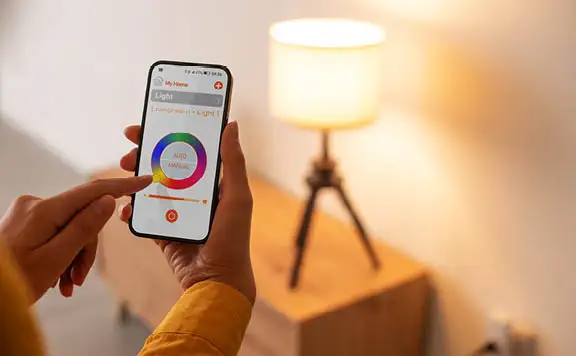
Pair energy-efficient LED bulbs with a smart home system to automate lighting schedules, control lights remotely and reduce unnecessary energy use. Features like motion sensors, timers for outdoor lighting and app-based controls can help you fine-tune how and when your lights are being used.
Whether you're renovating your home or upgrading the lighting in your rental unit, switching to LEDs is one of the easiest and most cost-effective ways to cut energy use and lower your monthly bills. These modern bulbs use up to 80% less energy, last 15–25 times longer than incandescent lighting options and are especially helpful in reducing utility costs, which is something every Texan can appreciate during the hot summer months.
All throughout our state people are seeing noticeable savings by making the LED switch. Pair them with a smart home system and an energy plan from Reliant, and you could save 10–15% on your monthly electricity bill.
Related articles
Select a category from the dropdown menu.
Yes, LEDs use up to 80% less electricity than traditional lightbulbs and provide the same level of brightness, making for highly efficient lighting and better light quality.
Typically, LED bulbs can last 15,000 to 25,000 hours, compared to about 1,000 hours for incandescent bulbs.
Yes, switching to LED from traditional lightbulbs can reliably lower your energy bills, especially if your home has many light sources or long usage hours. Texas homes can save anywhere from $50 to $100 per year, depending on usage.
Absolutely. LED technology is fully compatible with smart home automation platforms like Vivint, available through Reliant.