Welcome back! Pick up where you left off.

Confirm your plan and zipcode
Select from 3 of our most popular plans for your zipcode
2 days free per week
100% solar

Reliant Flextra Credits 24 plan

Get your 2 highest-use days a week FREE + $200 in bonus bill credits for extra savings.


Fixed rate
Price protection

Reliant Secure Advantage 24 plan

Straightfoward plan with a locked-in energy charge.


For renters
Popular in your area

Reliant Apartment 12 plan

Designed exclusively for smaller spaces.


Term
2 Months
Rate
Fixed

Pricing Details

USAGE
AVG PRICE / KWH
500 kWh
1,000 kWh
2,000 kWh

Early cancellation fee

Plan Features
Product

Pricing Details

USAGE
AVG PRICE / KWH
500 kWh
1,000 kWh
2,000 kWh

Early cancellation fee

*Average Price per kWh assumes noted usage per month and specific LP&L Delivery Charges (i.e., Residential Service or Residential Distributed Renewable Generation Service). For additional information regarding plan pricing and other terms, please see the Electricity Facts Label, on the Plan Details page. Price shown is for new customers only.

Inverter generator vs. generator: Which is the best choice for Texas homes?


Keeping the power on, ensuring your food stays fresh and your home is comfortable, is essential, especially in Texas where weather can be unpredictable. Having a backup power solution if the power goes out can help ensure your peace of mind. With so many options available, it can be difficult to know which is the right one for your home.

This guide compares inverter generators and conventional generators, helping you choose the best solution for your home's needs. Whether it's quiet efficiency or whole-home power, we're here to help you decide what's best to keep your home running smoothly during a power outage in Texas.

Inverter generator vs. generator: Which is the best choice for Texas homes?

Inverter generator vs. generator: Which is the best choice for Texas homes?


Keeping the power on, ensuring your food stays fresh and your home is comfortable, is essential, especially in Texas where weather can be unpredictable. Having a backup power solution if the power goes out can help ensure your peace of mind. With so many options available, it can be difficult to know which is the right one for your home.

This guide compares inverter generators and conventional generators, helping you choose the best solution for your home's needs. Whether it's quiet efficiency or whole-home power, we're here to help you decide what's best to keep your home running smoothly during a power outage in Texas.

Published Date: February 09, 2026

Understanding inverter generators vs. generators

Before diving into a direct comparison, it’s important to understand how these backup power options work.

What is an inverter generator?

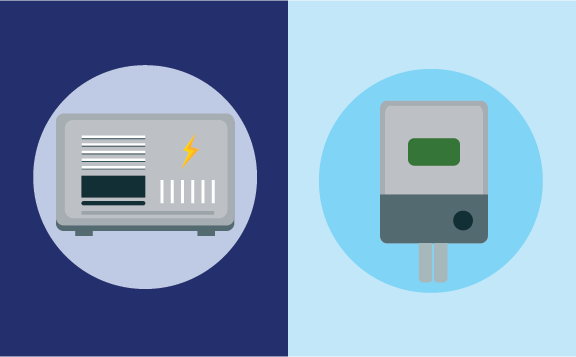
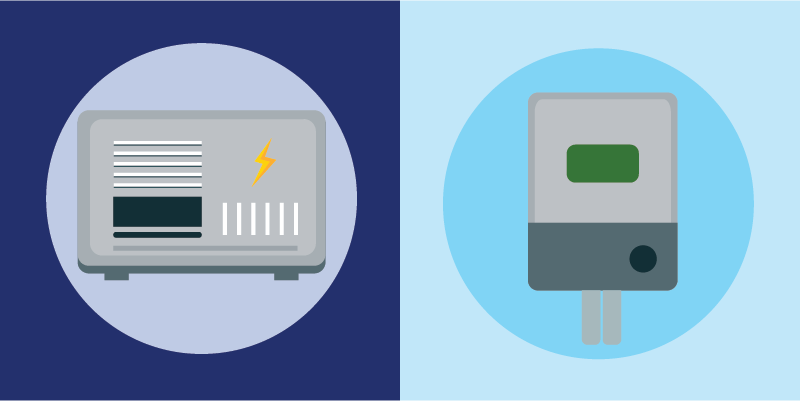
An inverter generator is a device that converts direct current (DC) power, the kind stored in batteries, into alternating current (AC) power, which is the type of electricity that powers most homes through an electricity plan. This multistep process results in a stable and high-quality energy output. This makes them ideal for powering sensitive electronics like laptops, smartphones and modern televisions.

What is a generator?

A conventional generator creates AC electricity by using a motor to run an alternator. These are the traditional workhorses you might think of as providing power to an entire home or several large appliances during a blackout. They are typically powered by gasoline, diesel or propane and are known for their ability to produce a large amount of energy to run refrigerators, air conditioners and other appliances.

Look to Reliant for 3 levels of power-surge protection plans, provided by Allied Warranty.
Learn more

Key differences between an inverter generator and a generator

While both provide power, how they do it affects their performance, efficiency and suitability for different tasks.

  • Power quality: Inverter generators produce power with a stable sine wave, which is a smooth, continuous, and predictable wave of electricity that ensures a steady and safe power supply. Conventional generators can sometimes have fluctuations in their power output, which can potentially damage delicate devices.
  • Efficiency: Inverters are generally more fuel-efficient. They can adjust their engine speed to match the power demand of the connected devices. A conventional generator runs at a constant high speed regardless of the load, potentially using more fuel than necessary.
  • Load handling: Conventional generators are built for heavy-duty work and often offer higher power outputs, making them a great choice for powering an entire house. While larger inverter models are available, they are more commonly found in smaller, more portable sizes designed for recreational use or powering a few essential items.

Inverter generator vs. generator: Which is quieter?

One factor to consider when choosing an inverter generator or a conventional generator is the amount of noise each device may produce.

Conventional generators are typically louder than inverter generators because their engines run at a constant high speed (typically 3600 RPM). In contrast, inverter generators are quieter because their engine speed varies based on the power load. With the noise factor, reviewing any rules or local ordinances in your Texas community may be helpful when deciding what will work best for your home.

Practical considerations for Texas homes

Deciding between an inverter and a generator comes down to your specific needs. Here are a few practical points to consider:

  • Uses: Are you preparing to run essentials like your fridge and a few lights during a power outage, or do you need to power your whole home? For essential items and sensitive electronics, an inverter is a great choice. For whole-home backup, a larger conventional generator might be more suitable. You can explore various backup generator options to find the right fit.
  • Portability: Inverters are typically smaller, lighter, and easier to move and store. This makes them perfect for camping, tailgating or other recreational activities in addition to home use. Conventional generators are often heavier and bulkier.
  • Texas climate: The Texas heat can put a strain on any machinery. It is important that your device is properly installed and receives regular maintenance to ensure it works when you need it most. Our ultimate guide to backup generators offers more information and tips for choosing a generator option.

Making the right choice

Choosing between an inverter and a generator ultimately hinges on understanding your specific needs. If you’re looking to power a few essential devices or needing portable power, an inverter generator is likely your best bet. If your main goal is to get the maximum power output to run your entire home during an outage, a conventional generator is a powerful and reliable solution.

By evaluating your power requirements, budget and local rules, you can confidently select the right backup power solution. To ensure your home is always prepared, explore flexible plan options from Reliant and backup power solutions designed to give you peace of mind.
Shop all of our electricity plans

Count on Reliant to help you make more informed, empowered choices in all the ways you use energy. Ready to find your Reliant electricity plan?

ZIP is required

Frequently asked questions

Show all answers

The primary difference is the quality of power they produce. An inverter generator produces stable electricity that is safe for sensitive electronics, while a conventional gas generator creates power that can be less stable.

Here are other key differences:

  • Power quality: Inverter generators produce clean power, which is ideal for electronics like phones and laptops. Conventional generators can have power surges that may damage these devices.
  • Noise level: Inverter generators are quieter because their engine speed adapts to the power needed. Conventional generators are louder, as they always run at a constant high speed.
  • Fuel efficiency: Inverters are more fuel-efficient, using less fuel because they adapt to the power that is being consumed.
  • Portability: Inverter models are typically lighter, smaller and easier to carry. Conventional generators are heavier and bulkier.

Yes, inverter generators typically have a higher upfront cost than standard generators with a similar power output. This price difference is due to the more complex technology inside an inverter generator, which allows it to produce cleaner, more stable power and operate much more quietly and efficiently.

The main advantages of an inverter generator are that it produces cleaner, more stable power suitable for sensitive electronics, is more fuel-efficient and operates much more quietly than a regular generator.

Your standard generator may be a less energy efficient, but it is more meant for heavy-duty work like powering an entire home during an outage.

An inverter generator is quieter because its engine can automatically adjust its speed to meet the power demand. A conventional generator runs at a constant high speed, making it significantly louder regardless of how much power is being used.

A 3000-watt generator provides more power, allowing you to run more or larger appliances than a 2200-watt model.

  • A 2200-watt generator is ideal for powering essentials. This typically includes a refrigerator, plus lights and personal electronics like your laptop and phone.
  • A 3000-watt generator can handle those same essentials simultaneously, plus higher-usage items like a microwave or a small window air conditioning unit.

For information on choosing the right generator for your home, check out our complete guide to home backup generators. 

The primary difference between a hybrid generator and an inverter generator lies in the type of power they produce and their intended use. An inverter generator produces "clean power," which is a stable electrical current safe for sensitive electronics like laptops and smartphones. They are also known for being very quiet and fuel-efficient.

A hybrid generator, on the other hand, combines features of both a conventional generator and an inverter. It offers more raw power than a typical inverter model but provides better fuel efficiency and a cleaner electrical output than a standard conventional generator. This makes it a flexible, all-purpose option. For instance, in Texas, a hybrid can be particularly useful as it can handle large appliances during a power outage while still being more efficient and safer for sensitive electronics than a conventional generator.