Welcome back! Pick up where you left off.

Confirm your plan and zipcode
Select from 3 of our most popular plans for your zipcode
2 days free per week
100% solar

Reliant Flextra Credits 24 plan

Get your 2 highest-use days a week FREE + $200 in bonus bill credits for extra savings.


Fixed rate
Price protection

Reliant Secure Advantage 24 plan

Straightfoward plan with a locked-in energy charge.


For renters
Popular in your area

Reliant Apartment 12 plan

Designed exclusively for smaller spaces.


Term
2 Months
Rate
Fixed

Pricing Details

USAGE
AVG PRICE / KWH
500 kWh
1,000 kWh
2,000 kWh

Early cancellation fee

Plan Features
Product

Pricing Details

USAGE
AVG PRICE / KWH
500 kWh
1,000 kWh
2,000 kWh

Early cancellation fee

*Average Price per kWh assumes noted usage per month and specific LP&L Delivery Charges (i.e., Residential Service or Residential Distributed Renewable Generation Service). For additional information regarding plan pricing and other terms, please see the Electricity Facts Label, on the Plan Details page. Price shown is for new customers only.

How to prep your Texas home for unpredictable winter weather


Learn how to prepare your Texas home for the next big winter event with these energy-saving home improvement tips and critical safety measures.

How to prep your Texas home for unpredictable winter weather

How to prep your Texas home for unpredictable winter weather


Learn how to prepare your Texas home for the next big winter event with these energy-saving home improvement tips and critical safety measures.

Published Date: November 24, 2025

Simple approaches to fight winter extremes

Texas winters are generally mild, but as a Texas homeowner, you'd be wise to stay ready for seasonal extremes. Thankfully, a little preparation can go a long way. Simple weatherproofing steps, basic maintenance and energy-efficient upgrades can help prevent damage, lower utility bills, and keep your home safe and comfortable during cold snaps.

How extreme can Texas weather get? In January 2025, Winter Storm Enzo brought a mix of snow, ice and freezing temperatures to Texas and the Gulf Coast. The resulting burst pipes and heating system failures left some homes without adequate warmth or running water. Enzo was a clear reminder of the importance of home maintenance and being prepared for extreme winter weather, even in places like Texas.

You may not know when the next extreme event will strike, but you can be ready for it. Here are a few ways to protect your home, your wallet and your safety the next time Texas winter weather hits hard.


The cost of winter storms in Texas

Enzo delivered a financial impact to many Texans, especially when it came to heating costs. As temperatures dropped across the state, heaters worked overtime in homes that weren’t built to handle sustained cold. Many homeowners had to rely on space heaters, raise thermostats, and scramble to keep warm.

The lesson is clear: Severe cold can lead to energy cost spikes. That’s why preparing in advance is the best way to stay warm and keep your energy budget in check when the next winter event hits.
 

Six energy-saving tips to prepare your Texas home for winter

If you’re ready to get prepared and enhance your wintertime energy savings, check out our 6 key winter weather home improvements — categorized into basic upgrades and bigger investments — each with a cost estimate and potential energy savings.

Our estimates are grounded in the following Texas-specific data and assumptions:

HVAC Costs:

  • Average cost of a new HVAC plus installation: $10,000–$15,000, according to This Old Housei, which is generally consistent with findings from Modernizeii and Home Guideiii

Water Heater Costs:

  • Average cost of a new water heater plus installation: $1,600 to $5,400, according to Home Depotiv, which is consistent with findings from Modernize and NerdWalletv
     

1. Thermostat settings and smart thermostat upgrades

Adjusting your thermostat might seem like a small change, but it can have a major impact on your Texas electricity bill when temperatures drop. According to the U.S. Department of Energyvi, you can save as much as 10% a year on heating and cooling by simply turning your thermostat back 7°–10°F for 8 hours a day from its normal setting.

You can also follow the 4-by-4 rule: If no one is going to be home for more than 4 hours, lower your furnace by 4 degrees while you’re gone.

For those with zoned systems (like homes with an upstairs and downstairs thermostat), be sure to adjust based on how and when each space is used. Focus on keeping common areas warm during the day and bedrooms comfortable at night, which can best be accomplished with a smart thermostat. Many providers, including Reliant, even offer special programs or discounts for eligible models.
 

Did you know that as a Reliant customer you can earn a bill credit and automatically save energy through our Degrees of Difference program?
Find out more about Degrees of Difference

There are many benefits of upgrading to a smart thermostat:

  • Remote access via smartphone
  • Integration with your HVAC schedule
  • Energy usage reports and recommendations
  • Eligibility for energy-saving programs
     

Basic upgrade: Programmable thermostat

A programmable thermostat lets you set a daily heating and cooling schedule to avoid running your HVAC system more than necessary. It’s a solid entry-level upgrade for cutting energy use without changing your habits.

  • Cost to install: $100–$340 total, including professional installation
  • Estimated savings: Up to $180/year on heating and cooling

Bigger investment: Smart thermostat

Smart thermostats take efficiency a step further by learning your patterns and making automatic adjustments based on real-time needs. This is especially useful during Texas’s unpredictable winter shifts and can help you cool your home more efficiently in summer, too.

  • Cost to install: $270–$450
  • Estimated savings: $130–160/year

Bonus: Also helps reduce air conditioner and cooling costs in summer, which is important for Texas residents.
 

Reliant customers, get power and protection at your fingertips with the free Reliant Smarter Home Bundle featuring Home Base Essentials from Vivint.

Learn more about the Smarter Home Bundle  

2. Insulation and air sealing

Heating a home that leaks warm air is like throwing money out the window — literally. Whether you’re in a Houston bungalow or a Dallas high-rise, sealing air leaks and insulating vulnerable areas is one of the most effective ways to retain warmth during a cold snap and reduce the strain on your HVAC system.

Texas homes, especially older ones or those built for hot climates, often lack proper insulation and sealing in these key areas:

  • Attics and attic doors
  • Exterior walls and floors above garages
  • Crawl spaces and basements (especially in Central and North Texas), like attics, exterior walls, or over-the-garage rooms
     

Basic upgrade: DIY air sealing (windows, doors, outlets)

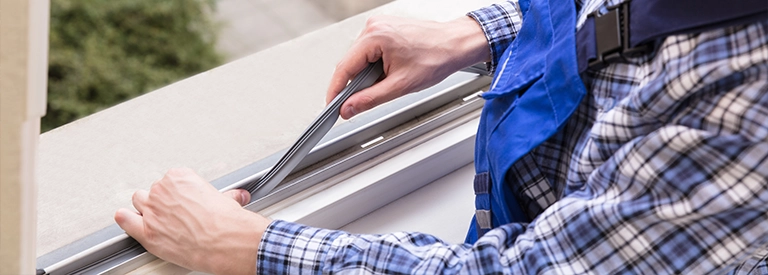
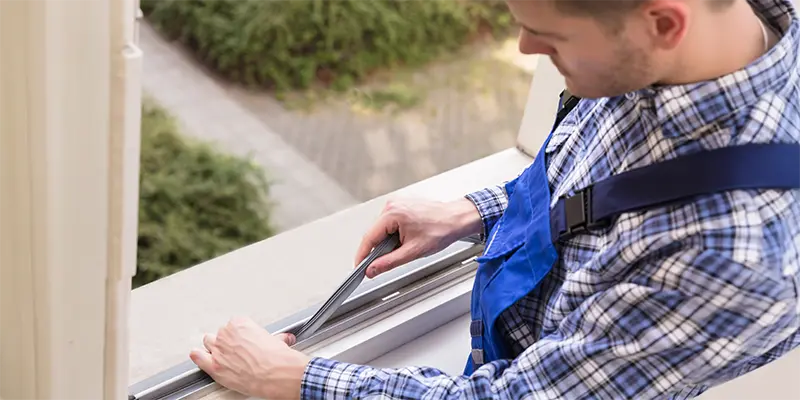
Simple fixes can include caulking around windows and doors, applying weather stripping, installing outlet gaskets, and hanging thermal-backed window coverings. These improvements are low cost and easy to do, but they can deliver noticeable energy savings in both winter and summer.

  • Cost to install: $50–$300 (materials like caulk [$3–$10 per tube], weather stripping [$5–$30 per door], window insulation film [$5–$30 per kit], outlet seals [$3–$5 each], etc.)
  • Estimated savings: According to the EPAvi, a 5%–11% reduction in total energy savings if installation is done properly, around $100–$220/year

Bigger investment: Professional insulation (attic, walls, floors)

Having a professional upgrade insulation in your attic, exterior walls and crawl spaces can dramatically improve your home’s ability to hold heat during the winter and keep cool air in during the summer.

  • Cost to install: $1,500 to $4,000
  • Estimated savings: According to the EPA, up to 15% in heating and cooling costs if installation is done by a professional, or $130–$150/year
     

3. HVAC system maintenance

Your heating system is at the heart of your home’s winter readiness. But even the best system will struggle if it’s outdated, improperly maintained, or fighting against air leaks and insufficient insulation.
 

Basic upgrade: Routine HVAC maintenance & filter replacements

Swapping in a new air filter every 1–2 months and scheduling a seasonal system tune-up are simple steps that can keep your heating system running and help you avoid mid-winter breakdowns.

  • Cost to perform: $65–$200 for a tune-up  and $10–$20 per filter every 1–2 months
  • Estimated savings: 5%–10% in HVAC energy costs, or $45–$90/year
  • Bonus: Helps catch small issues before they become expensive repairs and extends the life of your system

Bigger investment: HVAC system replacement

If your unit is 12–15 years old or struggled to keep up last winter, replacing it with a high-efficiency furnace or heat pump can significantly reduce your home energy usage. In colder Texas regions, a high-efficiency gas furnace may offer faster payback, while homes in milder areas might benefit more from ducted or ductless heat pumps.

  • Cost to install: $10,000–$15,000. See data from This Old House, Modernize and Home Guide.
  • Estimated savings: $225–$500/year on heating and cooling, with higher savings possible in homes with older or especially inefficient systems

Reliant AC, plumbing and surge protection plans, provided by Allied Warranty, help cover a portion of repair costs in case of damage to your home's critical systems and appliances. They can be great for Texas homeowners.

Shop home protection plans

4. Pipe protection and plumbing upgrades

During a Texas freeze, one of the most damaging — and potentially most expensive — home emergencies is a burst pipe. Just a few hours of subfreezing temperatures can cause uninsulated plumbing to freeze, crack and potentially flood your home. In fact, Texas led the nation in frozen pipe claims in 2022, with State Farmviii reporting over $64 million in damages that year alone.

Whether you own a Central Texas ranch-style or a Gulf Coast mid-century home, protecting your pipes is a smart winter prep move — and in many cases, a DIY job.
 

Basic upgrade: Pipe insulation and faucet covers

Foam pipe sleeves and outdoor faucet covers are simple items that help prevent freezing for exposed plumbing. During hard freezes, keeping cabinet doors open and allowing a slow drip from a faucet can also help prevent damage.

  • Cost to install: Roughly $20–$100 ($1–$3 per foam sleeve; $2–$30 per faucet cover)
  • Estimated savings: An average of $20,000 in burst pipe repair and water damage, based on estimates from State Farm

Bigger investment: Plumbing rerouting or system modernization

For homes repeatedly affected by freezes, it may be worth rerouting vulnerable pipes away from exterior walls or replacing older plumbing with PEX piping, a more freeze-resistant (and burst-resistant) material.

  • Cost to install: $373–$2,138 for strategic pipe rerouting/insulated plumbing replacements, according to Angiix
  • Estimated savings: Prevents massive emergency costs during freezes; may reduce homeowner insurance premiums
     

5. Water heater energy management

Your water heater works harder in the winter, especially when incoming water is colder or your pipes are poorly insulated. Reducing its workload helps trim both your electricity rates and the risk of heat loss.
 

Basic upgrade: Insulation and thermostat adjustment

Lowering your water heater to 120°F, insulating the tank, and wrapping any exposed hot water pipes can help retain heat and reduce your amount of energy use.

  • Cost to implement: $20–$60 (blanket + pipe insulation + thermostat adjustment)
  • Estimated savings: Around $15–$45/year on water heating energy costs

Bigger investment: ENERGY STAR® water heater

If your current water heater is more than 10 years old, upgrading to a high-efficiency unit — like an ENERGY STAR–rated electric model or a tankless/on-demand system — can make a big dent in your energy use.

According to the U.S. Department of Energyx, tankless water heaters can be 24%–34% more energy-efficient for homes that use 41 gallons of hot water or less per day — and 8%–14% more efficient for higher-usage households. Upgrading to a more efficient tank or on-demand (tankless) water heater can significantly reduce your electricity usage, especially if your current unit is over 10 years old.

  • Cost to install: $1,600–$5,400, depending on fuel type and home size
  • Estimated savings: $100–$200/year, with higher savings possible if replacing an especially outdated or inefficient model
  • Bonus: May qualify for ENERGY STAR rebates
     

6. Adjusting habits and using energy-efficient appliances

Winter isn’t just hard on your heater. Households tend to use more electricity overall as people spend more time indoors. From laundry to lighting, your appliances are often working much harder in the colder months. Both behavior changes and appliance upgrades can help you use less energy, which really adds up when it comes to cost savings.
 

Basic upgrade: Adjust usage patterns

You don’t need to replace every appliance to save on energy costs. A few small habits can go a long way:

  • Set your water heater to 120°F: It’s hot enough for showers and dishwashing, but low enough to reduce energy waste.
  • Wash clothes in cold water: Most modern detergents work just as well in cold cycles, and you’ll save money on water heating costs.
  • Only run full loads: Maximize the use of your dishwasher and laundry machines by waiting until you have a full load.
  • Unplug devices when not in use or use smart power strips: Many electronics draw power even when turned off.
  • Keep the lights off: To use less electricity, turn your light fixtures off and rely on natural lighting as much as possible. Consider replacing incandescent bulbs with LED light bulbs for less energy consumption.

For additional simple solutions that don’t cost you a thing, check out free energy-saving tips from Reliant.

  • Cost to implement: $0 (habit change)
  • Estimated savings: $50–$150/year across lighting, plug loads, and hot water heating

Bigger investment: Replace old appliances with ENERGY STAR® models

If you’re due for an upgrade, choosing ENERGY STAR®–certified appliances can substantially reduce your home’s electricity use over time. New ENERGY STAR dishwashers, refrigerators, washers, and dryers use 15%–50% less electricity than older models and typically pay for themselves in just a few years.

  • Cost to install: $1,000–$3,000, depending on appliance type
  • Estimated savings: $30–$75/year per appliance, with full-home upgrades totaling $100–$250/year or more
  • Bonus: Incentives or discounts are often available through energy providers
     
Energy savings for appliances

At Reliant, we’ve got plenty of tips and know-how that can help you boost energy efficiency when choosing and using your appliances. Check out our deep dive into washers and dryers, dishwashers, water heaters, conventional refrigerators and more.

Learn more about energy-efficient appliances

Texas winter savings: Cost vs. benefit for every upgrade

The following table was created based on the estimates above:

Upgrade Type Upfront Cost Estimated Annual Savings/ Benefit
Programmable Thermostat $100–$340 Up to $180/year
Smart Thermostat $270–$450 $130–$160/year
Air Sealing (DIY) $50–$300 $100–$220/year
Professional Insulation $1,500–$4,000 $130–$150/year
HVAC Maintenance $65–$200 (+ $10–$20 per filter) $45–$90/year + fewer repairs, longer system life
HVAC System Replacement $10,000–$15,000 $225–$500/year (or more for major upgrades)
Pipe Insulation & Faucet Covers $20–$100 An average of $20,000 in burst pipe repair
PEX Plumbing or Rerouting Upgrade $373–$2,138 Avoids major emergency repairs during hard freezes
Water Heater Blanket + Pipe Wrap $20–$60 $15–$45/year
ENERGY STAR® Water Heater Upgrade $1,600–$5,400 $100–$200/year (higher if replacing very inefficient unit)
Efficiency-Oriented Habit Changes $0 $50–$150/year (plug loads, laundry, lighting, hot water use)
ENERGY STAR® Appliance Upgrade $1,000–$3,000 per unit $30–$75/year per appliance (up to $250+ total/year)

Notes:

  • All savings are based on electric-only usage homes in Texas. Homes with gas heating or water heating may see different proportions.
  • Federal tax credits and local utility rebates can reduce upfront costs significantly for eligible HVAC and appliance upgrades.
     

Safety tips for Texas winter storm prep

If you are currently facing an imminent winterstorm in Texas, here are some critical safety tips to keep you and your family prepared and protected:

  • Stay informed: Monitor trusted sources like NOAA weather radio, local emergency alerts, and city or county emergency management updates. Sign up for alerts through official .gov websites when available.
  • Check safety devices: Be sure your carbon monoxide detectors and smoke alarms are working properly. Never use gas stoves or grills indoors, as carbon monoxide can be deadly.
  • Have an alternative heat source: Keep a woodstove, sleeping bags, and plenty of warm clothing and blankets on hand to retain body heat during an outage. This can help prevent hypothermia and frostbite.
  • Stock essential supplies: Maintain a first aid-kit, tool kit, and other emergency items in case you’re stuck inside.
  • Store food and water: Keep enough nonperishable food, bottled water, and drinking water for each household member for several days, including pets.
  • Use safe lighting and communication: In case of a power outage, rely on battery-powered flashlights and a weather radio, and have extra batteries ready. Avoid candles due to fire risk.
  • Stay connected: Fully charge your cell phone and have a portable charger or backup power bank ready in case of outages.
  • Winterize your vehicle: Check windshield wipers, top off fluids, and pack a scraper, cat litter (for tire traction), blanket, and other emergency supplies in your car.
  • Protect plumbing: Find and label your main water shutoff valve to quickly stop flow if a pipe bursts. Disconnect and drain hoses before the first freeze.
  • Watch the weather: Pay close attention to conditions like freezing rain, sleet, or a blizzard. A winter storm watch signals the need to begin storm prep immediately.

Final thoughts: Weighing costs, savings, and peace of mind

When winter weather rolls into Texas, being prepared isn’t just about staying warm — it’s about protecting your home, your finances, and your family’s safety. Smart winter prep can help you avoid costly repairs, reduce energy waste, and minimize risks during extreme cold.

The good news? Many home improvements, even larger ones like HVAC replacements or insulation upgrades, may qualify for rebates, utility discounts, and federal tax incentives, making them more affordable than ever.

Need help figuring out which energy conservation upgrades are right for your home or budget? Reliant is here to help with guidance, energy-saving resources, and rebates available to Texans year-round.
Shop all of our electricity plans

Count on Reliant to help you make more informed, empowered choices in all the ways you use energy. Ready to find your Reliant electricity plan?

ZIP is required