Other reasons for fluctuating electricity usage in Texas homes
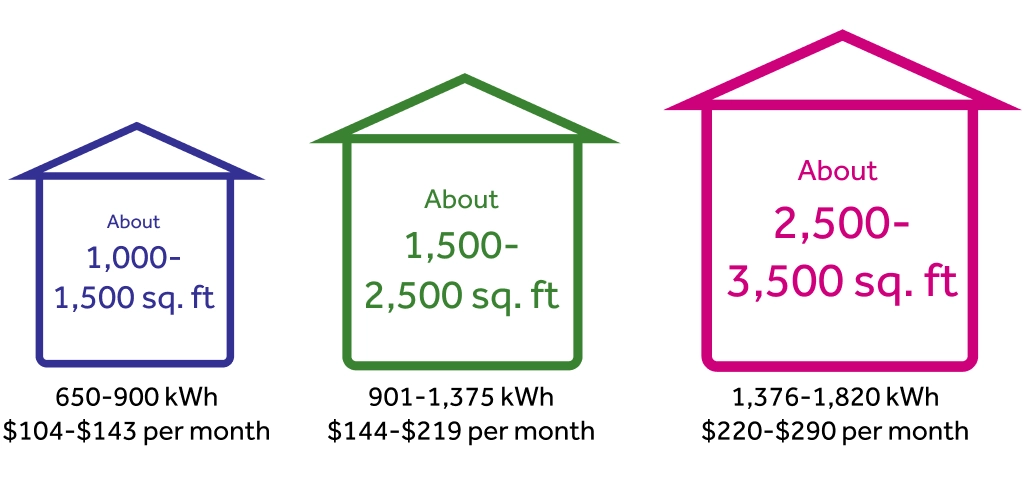
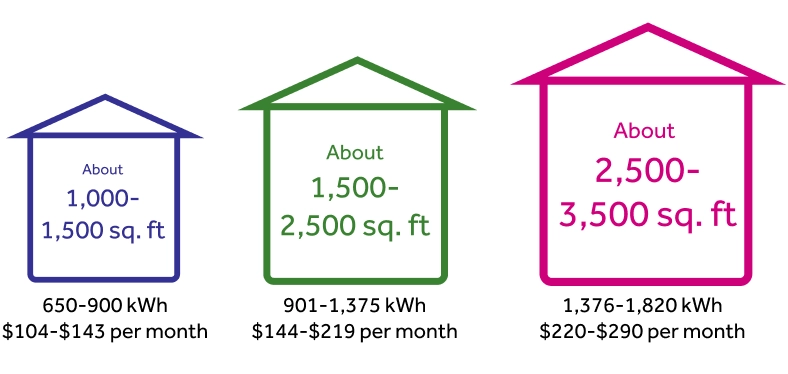
What affects how much electricity a Texas home uses? Weather, home size, home efficiency, household routines and extra electric loads can all affect your monthly kWh usage.
Weather trends in Texas
Texas homes often use more electricity during hotter months (May through September) because air conditioning systems generally run longer and harder during this time of the year, which makes seasonal energy-saving tips especially helpful.
Almost all homes in Texas have air conditioning, and about 6 in 10 Texas households use electricity as their main source to heat their homes. A home’s overall electricity usage depends on other weather-related factors like:
- Prolonged, extreme summer heat (95°F or more)
- High humidity
- Sudden drops in temperature
- Sun exposure levels
10 Texas microclimates
Texas spans 268,581 square miles and 254 counties, with diverse microclimates that vary by region. The NOAA helps break down each Texas climate into 10 areas.
1. High Plains
The High Plains in Texas, including Amarillo and Lubbock, are usually dry and windy most of the year, with snowy winters in the Panhandle and occasional ice storms farther south and east.
2. Low Rolling Plains
The Low Rolling Plains of Texas, between Abilene and Wichita Falls, can experience hot and long summers with snowy, cold and windy winters.
3. North Central
Dallas-Fort Worth, also often known as North Central Texas, has hot summers, winters ranging from 39°F to 43°F and heavy thunderstorms in spring.
4. East Texas
East Texas, including Tyler and Longview, can be hot and humid for most of the year, with dense wooded areas and heavy rains year-round.
5. Trans-Pecos
El Paso and Big Bend are both examples of areas within the microclimate of Trans-Pecos. Typical of a Texas desert, these areas can be dry and sunny with less frequent rainfall and cooler nights.
6. Edwards Plateau
Edwards Plateau can be warm, humid and semi-arid with canyons, mesas and valleys spread across the area. Changes in terrain mean areas like San Angelo and Kerrville can experience fluctuations in rainfall, temperature or both at the same time.
7. South Central
South Central Texas extends to San Antonio’s humid subtropical climate, which typically brings hot summers and mild winters. Coastal areas such as Corpus Christi are more likely to experience a semi-tropical climate, along with a greater risk of hurricanes and tropical storms.
8. Upper Coast
From Houston to Galveston and Port Lavaca can be hot, humid and rainy year-round. Since Texas hurricane season runs from June through November, there’s an ongoing potential for tropical storms or hurricanes in the Upper Coast.
9. South
The South area of Texas, around Laredo and near the Rio Grande, sees mostly sunny, hot days and about 19 in. of rain per year.
10. Lower Valley
Brownsville makes up most of the state’s Lower Valley. This area usually has milder winters and longer, hotter summers than northern Texas.