Welcome back! Pick up where you left off.

Confirm your plan and zipcode
Select from 3 of our most popular plans for your zipcode
2 days free per week
100% solar

Reliant Flextra Credits 24 plan

Get your 2 highest-use days a week FREE + $200 in bonus bill credits for extra savings.


Fixed rate
Price protection

Reliant Secure Advantage 24 plan

Straightfoward plan with a locked-in energy charge.


For renters
Popular in your area

Reliant Apartment 12 plan

Designed exclusively for smaller spaces.


Term
2 Months
Rate
Fixed

Pricing Details

USAGE
AVG PRICE / KWH
500 kWh
1,000 kWh
2,000 kWh

Early cancellation fee

Plan Features
Product

Pricing Details

USAGE
AVG PRICE / KWH
500 kWh
1,000 kWh
2,000 kWh

Early cancellation fee

*Average Price per kWh assumes noted usage per month and specific LP&L Delivery Charges (i.e., Residential Service or Residential Distributed Renewable Generation Service). For additional information regarding plan pricing and other terms, please see the Electricity Facts Label, on the Plan Details page. Price shown is for new customers only.

How an HVAC zoning system can save you energy in Texas


When every room feels just right, your home works better for you. An HVAC zoning system gives you room-by-room temperature control to help balance hot and cold spots, which is especially helpful in Texas homes that rely heavily on air conditioning.

How an HVAC zoning system can save you energy in Texas

How an HVAC zoning system can save you energy in Texas


When every room feels just right, your home works better for you. An HVAC zoning system gives you room-by-room temperature control to help balance hot and cold spots, which is especially helpful in Texas homes that rely heavily on air conditioning.

Published Date: February 20, 2026

What to know about HVAC zoning systems and why it matters 

An HVAC zoning system lets you adjust temperatures room by room using smart thermostats or control panels. HVAC (heating, ventilation and air conditioning) is your home’s central comfort system, and zoning helps it deliver targeted comfort, more control over your energy costs and longer equipment life.

We’ll show you how HVAC zoning helps you control temperature settings throughout your home, how to set it up and why it’s a smart choice for Texas homeowners. 

To better understand how an HVAC zoning system works, it helps to start with two key components:

  • HVAC zone dampers: Mechanical components that regulate airflow in each zone
  • Zone control system: Central controller that manages multiple thermostats or zones

With those basics in mind, let’s look at what an HVAC zoning system is and how it works in your home.

What is an HVAC zoning system?

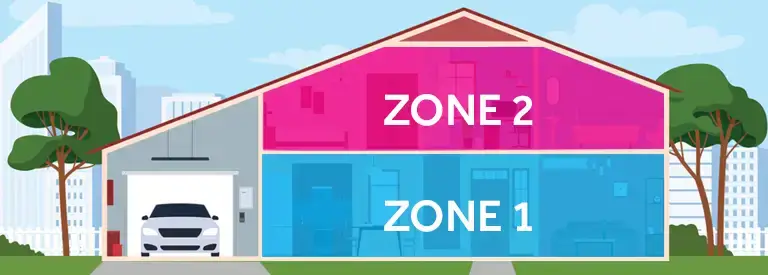
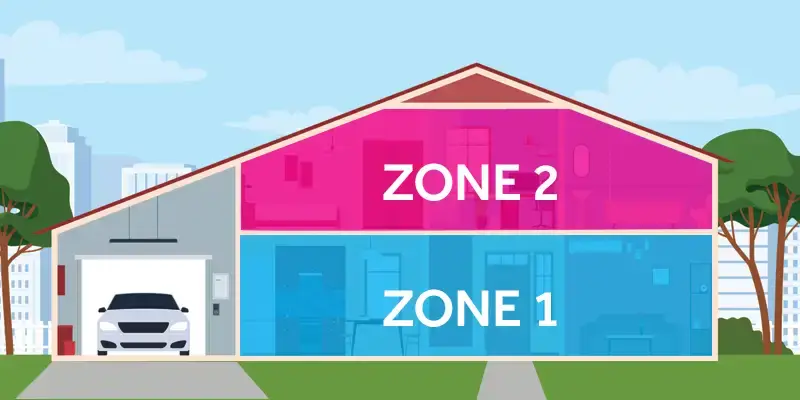
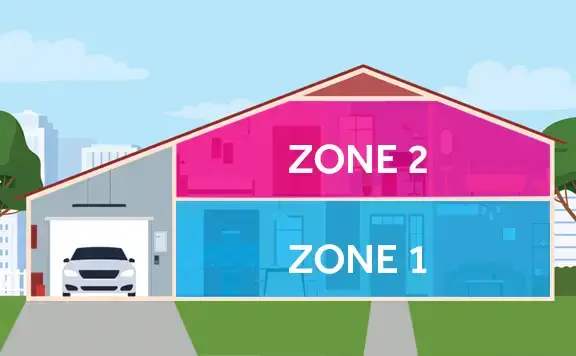
An HVAC zoning system is a personalized heating and cooling method that divides your home into separate “zones,” each with its own temperature control. Rather than using a single thermostat to control your entire house, a zoned HVAC system divides your home into multiple areas such as living rooms, bedrooms and offices, each managed by its own thermostat or sensor. Having different zones for different areas of your home allows you to condition only the spaces you're using, saving you money in the long run.

How HVAC zone control works

An HVAC zoning system works by using specialized dampers, called HVAC zone dampers, that are installed inside your ductwork. These dampers regulate airflow to each separate zone and are controlled by a central zoning control panel.

So, if one room needs cooling, only the dampers for that room open, sending cool air to that room and not to other parts of the house. During colder months, zone heating control lets you warm only the rooms you use. This helps reduce your energy bills by no longer heating or cooling rooms that aren’t being used.

Smart integration with home technology

Modern zoning systems work even better when connected to smart home technology. This allows you to easily manage each zone’s temperature set point with complete accuracy. With a smart setup, you can enjoy helpful features like:

  • Automated schedules for occupied or unoccupied rooms
  • Remote room temperature adjustments via smartphone algorithms that adapt to daily habits
  • Voice control with compatible smart home assistants 
vivint smarter home bundle tstat 65

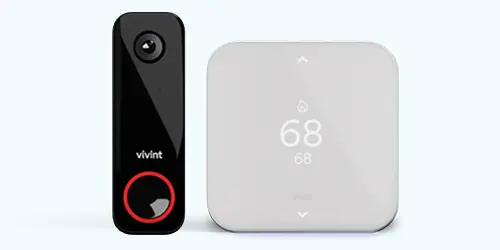
Reliant customers, get power and protection at your fingertips with the free Reliant Smarter Home Bundle featuring Home Base Essentials from Vivint.

Learn more about the Smarter Home Bundle  

Benefits of an HVAC zoning system in Texas

In Texas, keeping your home comfortable often means running the air conditioner for a good portion of the year. In fact, according to the U.S. Energy Information Administration, the average Texas home uses approximately 1,096 kilowatt-hours (kWh) of electricity per month, which is above the national average of 863 kWh. Thankfully, a zoned AC system can help bring that number down.

By setting up a multi-zone HVAC system and using room-by-room temperature control, you can gain a wide range of practical, financial and long-term benefits.

Energy and cost savings

Smart zoning can help reduce your electricity costs by directing conditioned air only to the rooms in use, minimizing your HVAC system’s workload. An HVAC zoning system is especially useful for large homes or properties with multiple zones, uneven temperature distributions or varying usage patterns.

Personalized comfort

Smart HVAC zoning allows families to enjoy their preferred temperature in their own space. Whether you prefer a cooler office to stay alert or a warmer bedroom to sleep comfortably, zoning removes the need to compromise on a single setting for the whole home. In Texas summers, AC zoning helps reduce cooling costs by focusing cool air where it’s needed most instead of overcooling unused rooms.

Extended equipment lifespan

Because the HVAC system runs only when needed, it undergoes less wear and tear, leading to fewer repairs and a longer lifespan for your heating and cooling system. This saves money over time, especially since your AC no longer has to operate at full power to cool the entire house at once.

Better smart control

When connected to a smart thermostat, your zoned system can:

  • Adjust settings using your smartphone or voice commands
  • Program temperature changes based on time of day
  • Respond to changes in outdoor climate conditions automatically

All of this adds up to a home that’s not only more comfortable, but also smarter and more efficient.

How to set up an HVAC zoning system

Getting started with HVAC zoning involves selecting the right system setup and deciding whether to undertake the project yourself or hire a professional.

Choosing the right HVAC zoning system

The ideal HVAC zoning system design for your home depends on your home's size, layout, insulation and how rooms are used throughout the day.

  • Smaller or single-story homes (under 2,000 sq. ft.) often do well with a two‑zone, also known as a dual, HVAC system or up to three zones. For example, bedrooms can be grouped into one zone, while shared living areas like the kitchen and family room make up another. Some homes may add a third zone for a home office or bonus room.
  • Medium to large homes (2,000-3,500+ sq. ft.) generally benefit from a multi-zone system to support 4-6 zones, especially when multiple floors, varying sun exposure or different usage schedules are factors. Zoning by level, exposure (east- or west-facing rooms) or occupancy (daytime vs. nighttime use) can also help reduce energy costs.
  • Larger or multi-story homes (3,500+ sq. ft.) may require a multi-zone HVAC system for 6-8 zones to handle more complex heating and cooling demands. Upper floors often get warmer due to rising heat, while basements or lower floors can stay significantly cooler. Separating these into individual zones helps balance temperature and prevents over-cooling of certain areas.

When selecting a zoning system, double-check:

  • Compatibility with your existing HVAC equipment
  • Ductwork that can accommodate zoning dampers
  • Integration with smart thermostats 
  • The option for modular expansion as your needs change

HVAC zoning system installation and costs

Some zoning systems are designed for easy DIY installation, while others require professional setup for customized features. Many modern ductless mini-split systems already feature multi-zone capabilities, making the installation process relatively straightforward. However, depending on your home's existing setup and your technical ability, it may be smarter to hire an expert.

DIY vs. professional HVAC zoning system installation
Installation type Best suited for Pros Cons
DIY installation Smaller homes or systems using wireless thermostats with minimal ductwork changes

Cost effective

Easier upgrades with basic sensor kits

Ideal for tech-savvy homeowners

Installation complexity

Risk of setup errors

May void HVAC warranties if done incorrectly

Professional installation Multi-story homes, complex duct networks or custom HVAC systems

Professional support for
long-term care

Proper system balancing and planning

Warranty protection

Higher up-front cost

Longer installation timeline

Scheduling and project coordination required

HVAC zoning system setup tips

Whether you’re installing the HVAC zoning system yourself or hiring a professional, getting the setup right is key to making sure your system works well, keeps your home comfortable and helps you save energy. A few simple tips to follow:

  • Don’t divide your home into too many small zones: Creating too many zones is also referred to as “over-zoning” and can lead to poor airflow and reduce the system’s performance. Try to group rooms with similar heating and cooling needs.
  • Place thermostats in the right locations: Keep thermostats away from windows, vents, kitchens and direct sunlight. This helps them get a more accurate reading of the room temperature.
  • Make sure the ductwork is sealed properly: Leaky ducts let air escape, which can make temperatures less comfortable and increase energy use. Sealing the ducts helps the system deliver air where it’s actually needed.

Choosing the right smart thermostat for HVAC zoning

Smart thermostats are a key part of any zoned HVAC system. They help manage different areas of your home by sensing temperature, detecting occupancy, and controlling zones through dampers or smart vents.

Vivint Smart Thermostat

If you already have or want a Vivint Smart Home system, this thermostat can be a strong option for homes using AC zoning, working in conjunction with security and automation tools to keep your home comfortable based on activity, weather and other factors.

What it does well:

  • Adjust temperatures based on when people are home and current weather conditions
  • Support AC zoning by working with Vivint door and window sensors to help reduce unnecessary cooling
  • Integrate seamlessly with other Vivint smart home devices
  • Include professional setup to help ensure the system works correctly

If you're a Reliant electricity customer in Texas, you have two great ways to upgrade your comfort and save energy:

  • Enroll in the Degrees of Difference program and receive a $25 bill credit by connecting a smart thermostat.
  • Upgrade your home with the Reliant + Vivint Smarter Home Bundle, which includes a free Vivint Smart Thermostat, a Doorbell Camera Pro, free professional installation and app-based energy insights, all with a qualifying electricity plan.  

Troubleshooting common HVAC zoning system issues

While smart zoning systems are reliable, occasional hiccups can occur. Here’s how to identify and fix the most common zoning issues:

Inconsistent temperatures between zones

If some rooms feel much warmer or cooler than others:

  • Check that dampers are functioning correctly and sensors are accurately placed
  • Replace thermostat batteries or recalibrate sensors if needed

Short cycling or the frequent on and off switch of your HVAC

If your system turns off and on frequently:

  • It may be due to unbalanced zones or small zones causing system confusion
  • Try consolidating zones or adjusting thermostat locations

Poor airflow in certain rooms

If airflow is weak or inconsistent:

  • Inspect for blocked vents, leaky ducts or improperly operating dampers
  • Make sure all supply and return vents are open and free of obstructions

Unresponsive thermostats or sensors

If your smart thermostat or sensors aren't reacting:

  • Check Wi-Fi connection and confirm settings within the app
  • Reboot your zoning hub or thermostat to re-establish zone control

If basic fixes don’t resolve the problem or if airflow continues to conflict with settings, contact a professional for a full HVAC zoning system evaluation.

Take control of the temperature in your Texas home

Smart HVAC zoning gives you a home that’s built around how, when and where you live. With the right equipment, a smart thermostat and carefully planned zones, you create a setup that keeps each room just the way you like it.

Whether you're upgrading an existing control system or building a new one from scratch, zoning is a Texas-smart investment that helps reduce energy use, extend the life of your HVAC equipment and make your home easier to manage.
 

Shop all of our electricity plans

Count on Reliant to help you make more informed, empowered choices in all the ways you use energy. Ready to find your Reliant electricity plan?

Start shopping

Frequently asked questions

Show all answers

HVAC zoning is compatible with a variety of HVAC systems, including both traditional and modern models. Common compatible systems include:

  • Central HVAC systems with zoning dampers
  • Hybrid and variable-speed units that can adjust output for different zones
  • Multi-zone ductless or mini-split systems
  • Split systems paired with smart thermostats and sensors

If you're unsure whether your current system supports zoning, contact an HVAC professional or ask your energy provider to evaluate your setup and suggest the best approach.

Installation involves dividing your home into two or more zones, each with its own thermostat or temperature sensor. For ducted systems, motorized dampers are added to the ductwork to regulate airflow to each zone. For ductless systems, each indoor unit can act as its own zone.

In new construction, zoning is typically planned from the start. In existing homes, retrofitting is possible, but it may require modifications to the ductwork and the addition of components such as a zoning panel and bypass damper. Working with an HVAC expert can ensure that you receive the proper setup.

While not required, smart thermostats significantly improve the performance and convenience of a zoning system. Most models can detect occupancy, automatically adjust temperatures and even help you track your energy usage. Many programs, such as Reliant’s Degrees of Difference, work specifically with smart thermostats and offer bill credit incentives to Texas residents.

Yes. One of the top reasons to install a zoning system is to solve common comfort problems like cold bedrooms or hot upstairs rooms. Zoning allows you to direct heating or cooling where it’s needed most, which helps balance uneven temperatures throughout your home.

In many cases, yes. Zoning reduces wasted heating or cooling by conditioning only the rooms you’re actually using. That means your system runs less often and uses less electricity, which is especially helpful in Texas where cooling needs are high for much of the year. You may also be eligible for utility rebates or smart thermostat programs that offer additional savings.

The number of temperature zones you need depends on your home’s size, layout and how rooms are used. Small to mid-size homes may only need 2-3 zones, such as separating bedrooms, living spaces and home offices. Larger or multi-story homes may benefit from 4-8 zones. An HVAC or energy expert can help design the optimal zoning layout to meet your specific needs.

View more +