What is energy optimization? How smart homes can save energy automatically


Energy optimization helps your home use energy more efficiently without sacrificing comfort. Smart thermostats, sensors and automated controls adjust energy use based on your needs, helping reduce waste and potentially lower electricity costs.

What is energy optimization? How smart homes can save energy automatically

What is energy optimization? How smart homes can save energy automatically


Energy optimization helps your home use energy more efficiently without sacrificing comfort. Smart thermostats, sensors and automated controls adjust energy use based on your needs, helping reduce waste and potentially lower electricity costs.

Updated: October 27, 2026

Texas weather can put your home’s energy use to the test. From triple-digit summer heat to sudden cold snaps, heating and cooling systems may work harder to keep your home comfortable. Energy optimization can help by automatically adjusting energy use based on factors like temperature, occupancy and time of day.

Constantly monitoring the thermostat or every light switch isn’t realistic. Smart thermostats, connected sensors and energy programs can work together to make adjustments automatically based on your schedule, whether a room is in use and even conditions on the electric grid. That can take some of the day-to-day work out of managing home energy use.

Read on to learn how energy optimization works, which smart home technologies can help and how much energy an optimized home could realistically save.

What is energy optimization?

Energy optimization is the process of using data and automation to reduce unnecessary energy consumption while meeting productivity and comfort needs. In an energy-optimized home, this might look like smart devices adjusting when and how they use energy based on household needs or grid conditions. The result is a more efficient home that helps reduce strain on the grid and create opportunities for long-term energy savings.

Energy optimization vs. energy efficiency: What’s the difference?

Energy efficiency and energy optimization often get used interchangeably, but they don’t mean the same thing. Efficiency is all about using less energy to do the same job, like swapping incandescent bulbs for LEDs or adding more attic insulation. Energy optimization is about using energy at the right time and in the right place.

Energy efficiency focuses on energy management and the specific actions you take to lower your usage. Energy-optimized systems leverage automation, real-time data and, in some cases, artificial intelligence to use energy in a smarter way. If you want a closer look at where your electricity use adds up each month, our guide to understanding your home energy use is a good place to start.

How automation makes the difference

It’s easy to start each month with good intentions about our energy usage. It’s equally easy to drift back into our old high-consumption habits within a few days or weeks. Automation solves that very human problem. Once sensors and a smart thermostat are in place, the adjustments run in the background without a need for daily reminders or alarms to turn something down or off. 

How motion sensors and smart thermostats work together to automate cost savings

Energy optimization is meant to be a “hands-free” experience, but that doesn’t mean it happens on its own. You’ll still need to play a role in setting up an energy management system in your home, typically by incorporating a handful of components like sensors, a smart thermostat and demand response programs. Once in place, these components work together behind the scenes so your home can respond to real conditions instead of just running on a schedule each day. Here’s how: 

Motion sensors detect occupancy

Motion sensors and door and window contacts detect when a room, or the whole house, is empty or occupied. Occupancy information becomes especially useful when it works together with a smart thermostat. This can prevent heating or cooling a home nobody is in, ensuring energy is used only when it's needed.

Smart thermostats learn your schedule 

On their own, smart thermostats can make a measurable difference in your home’s energy efficiency. In fact, the US Environmental Protection Agency’s ENERGY STAR program says that households with certified smart thermostats save 8% on their heating and cooling costs, which equates to around $50 a year. But if we’re talking energy optimization, the smart thermostat goes one step further, communicating with the sensors in your home to understand your routine and adapt as needed, without your input.  

With our Comfort IQ™  bundle, for example, the Vivint Smart Thermostat uses in-home sensors and scheduling to identify when the home is occupied or empty and can automatically adjust the temperature when no one is home. You can still override those adjustments when needed for comfort. 

Demand response helps save energy during high-demand periods

Automated demand response programs can help reduce electricity use when demand on the grid is high. During a demand response event, an enrolled smart thermostat may automatically adjust the temperature for a period of time, then return to its usual settings afterward.

One example of an automated demand response program is the Reliant Degrees of Difference program, which is available to customers enrolled in the Comfort IQ bundle. During certain high-demand periods, the program may automatically adjust a Vivint Smart Thermostat by up to 4 degrees to help reduce strain on the electric grid. You'll receive a notification before the adjustment occurs and can override the event at any time by changing your thermostat settings, so you're always in control of your home's comfort.
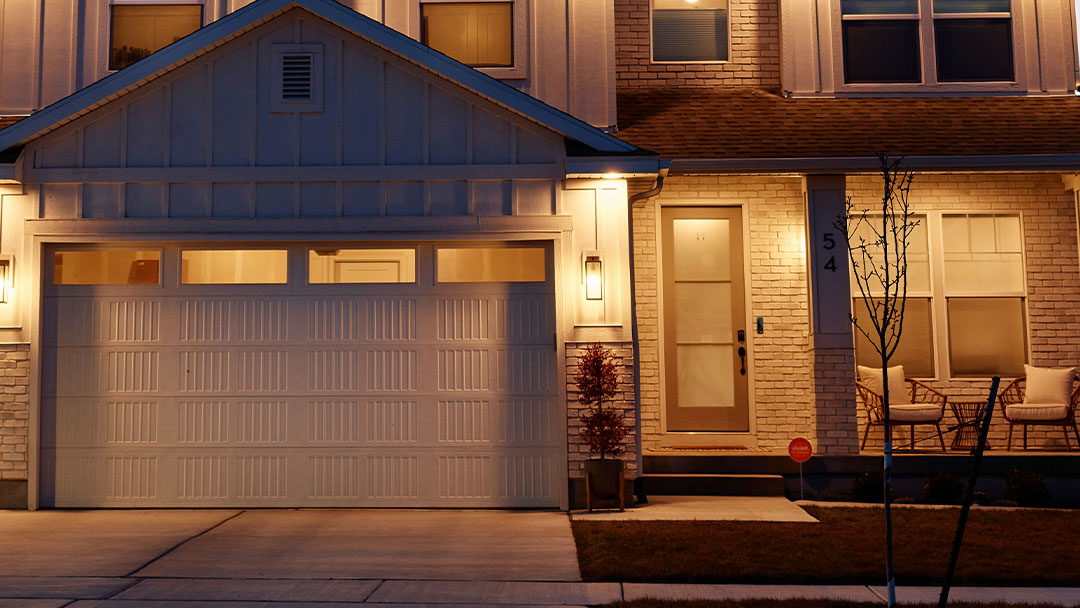

A smarter way to save energy with Comfort IQ bundle

The Comfort IQ bundle combines a fixed-rate Reliant electricity plan with smart home technology from Vivint to help automate energy savings and comfort. Stay comfortable. Spend less.  

What can you realistically save with energy optimization?

If you aren’t wowed by the EPA’s 8% average savings from smart thermostats, know that energy optimization can give your overall energy savings an additional boost. Smart thermostats are undeniably energy efficient, but whatever you’re saving comes from your own scheduling, which is subject to your understanding of when you’re most likely to save and remembering when to make adjustments.

Shifting to energy optimization, which involves adding motion sensors and connecting them with your thermostat, compounds the savings. The efficiency versus optimization results might surprise you. In a long-term study of a Texas residence, the US Department of Energy found that occupancy-centric HVAC control cut energy use by more than 17%.

Savings, of course, will vary by home size, insulation, climate, and how the household actually uses the space. There is no guarantee of how much you’ll save, but what seems certain is that there will be savings, both monetary and in the reduction of your carbon footprint. 

How the Comfort IQ  bundle savings work

The Comfort IQ  bundle offers another example of how automated energy savings can work in practice. Customers can save hundreds annually through Smart Comfort and participation in Degrees of Difference.* The savings are estimates, not guarantees, and actual results depend on factors including climate, seasonal changes, home size, occupancy and appliances. 

Understanding weather-responsive home automation

Texas sees it all: thunderstorms, tornadoes, hurricanes, floods, droughts and extreme cold snaps. With such a wide range of conditions, having a home that can automatically adapt to changing weather isn’t just convenient. It’s a smarter, proactive way to maintain your comfort and conserve energy.

What is weather-responsive automation?

Weather‑responsive automation uses real‑time weather data, sensors and smart devices to adjust your systems automatically. Typical tools include smart thermostats, weather sensors, automated blinds and humidity controls that respond to temperature, sunlight and moisture changes in the moment.

Benefits of implementing weather-responsive systems

Weather-responsive systems can significantly reduce your energy use, especially when paired with broader home energy solutions to help you manage consumption more efficiently. These weather-based automations also add day‑to‑day comfort and simplify routines by adjusting automatically in the background. During extreme weather, your automation can pause irrigation in heavy rain, protect equipment during lightning and coordinate with backup power to maintain safe indoor temperatures when the grid wobbles.

How to get started with an energy-optimized home 

Once you understand how energy optimization can help reduce energy use, the next step is choosing the right devices and programs to put it into practice. 

Start with connected devices

A smart thermostat and connected sensors are a good starting point for home energy optimization. Because smart devices rely on your home’s Wi-Fi, strong, consistent coverage matters. If your home has dead zones, consider a mesh network to help keep connected devices online. Once your system is running, use energy usage tools to track changes in your electricity use over time.

Look for devices and energy programs that work together

For smarter energy management, look beyond individual devices. Choose a setup that connects your smart home technology with automation that can adjust heating and cooling based on occupancy and your routine. Pairing it with a demand response program can also help reduce electricity use during periods of high demand.

Convenience and control matter, too. Professional installation can simplify setup, while app and thermostat controls let you override automatic adjustments when needed. That way, automation can work in the background without sacrificing comfort.

How the Comfort IQ  bundle brings energy optimization together

The Comfort IQ bundle brings these energy optimization tools together in one integrated offer. It combines a fixed-rate Reliant electricity plan with smart home technology from Vivint, including a smart thermostat, connected sensors, a security hub and free professional installation. The system can automatically adjust heating and cooling based on your preferences or when you leave home, while also helping reduce energy use during periods of high electricity demand with the Reliant Degrees of Difference program.

Energy optimization checklist

If you’re ready to go beyond just energy efficiency, consider taking these steps to optimizing your home:

  • Ensure your home is prepped for optimization. Identify and correct any air leaks, check insulation, and perform maintenance on your HVAC system
  • Perform an energy audit using smart meters to best understand when and where you’re using the most electricity in your home
  • Install a smart thermostat that can work with scheduling and compatible sensors to automate temperature adjustments
  • Connect compatible occupancy sensors and door/window sensors to your smart-home system so it has better information about when the home is occupied
  • Consider asking about time of use (TOU) plans
  • Audit your Wi-Fi to check for dead spots, and install a mesh network if needed
  • Track your electric bill to make sure you’re seeing anticipated savings

Can you override automated temperature adjustments?

Yes. Energy optimization doesn't have to mean giving up control. With the Comfort IQ  bundle, customers can override Smart Comfort temperature adjustments for comfort, and Degrees of Difference events can be overridden by adjusting the thermostat. The Vivint app also provides remote control of included smart home devices. 

Let your home do more of the adjusting

Energy optimization isn’t about tracking every setting yourself. Optimizing energy usage shouldn’t be a chore. It should be a simple process that leverages the use of sensors, a smart thermostat, and demand response programs to make small adjustments in the background, so the savings show up without requiring a lot of extra effort on your part. Take a look at how Comfort IQ  bundle can be your first step toward energy optimization in your home. 


Terms, conditions and other restrictions

*Savings estimate reflects the combined total of (i) a bill credit for participating in the Reliant Degrees of Difference Smart Thermostat Program; and (ii) average annual HVAC-related energy savings associated with activation and use of Vivint’s Smart Comfort feature. Estimated energy savings are based on an independent study of Vivint customers who enabled their Vivint Smart Comfort system. Savings estimates are based on modeled analyses of Smart Comfort system performance that account for weather conditions and HVAC usage patterns, and compare results to a constant 72°F baseline thermostat-use scenario. Energy savings are an estimate, not a guarantee. Actual individual savings depend upon many factors, including climate and seasonal changes, home size, occupancy and appliances. Terms and conditions apply to the Degrees of Difference bill credit incentive.

Welcome back! Pick up where you left off.

Confirm your plan and zipcode
Select from 3 of our most popular plans for your zipcode
2 days free per week
100% solar

Reliant Flextra Credits 24 plan

Get your 2 highest-use days a week FREE + $200 in bonus bill credits for extra savings.


Fixed rate
Price protection

Reliant Secure Advantage 24 plan

Straightfoward plan with a locked-in energy charge.


For renters
Popular in your area

Reliant Apartment 12 plan

Designed exclusively for smaller spaces.


Term
2 Months
Rate
Fixed

Pricing Details

USAGE
AVG PRICE / KWH
500 kWh
1,000 kWh
2,000 kWh

Early cancellation fee

Plan Features
Product

Pricing Details

USAGE
AVG PRICE / KWH
500 kWh
1,000 kWh
2,000 kWh

Early cancellation fee

*Average Price per kWh assumes noted usage per month and specific LP&L Delivery Charges (i.e., Residential Service or Residential Distributed Renewable Generation Service). For additional information regarding plan pricing and other terms, please see the Electricity Facts Label, on the Plan Details page. Price shown is for new customers only.