What is the average electric bill for an apartment in Texas?


Depending on apartment size, energy usage, HVAC efficiency and seasonal weather, understanding what increases electricity costs can help you estimate your bill and choose the right electricity plan.

What is the average electric bill for an apartment in Texas?

What is the average electric bill for an apartment in Texas?


Depending on apartment size, energy usage, HVAC efficiency and seasonal weather, understanding what increases electricity costs can help you estimate your bill and choose the right electricity plan.

Published: October 26, 2026

What influences apartment electricity costs?

Electricity costs can vary significantly from one apartment to another. Keeping in mind the average cost of electricity bills in Texas are not reflective of month-to-month bill amounts, there can be several reasons for bill changes. Factors like apartment size, occupancy, building features and energy efficiency all play a role in how much electricity you use each month.

In Texas, seasonal weather patterns can shift dramatically, especially in the summertime. This can also result in electricity bill fluctuations due to an increase in cooling costs. According to a report by the U.S. Energy Information Administration, running the AC is the single largest electricity consumer in the state and accounts for 28% of electricity consumption in Texas—9% higher than the average home in the U.S.

  • Common factors that can affect apartment electricity costs include:
  • Appliances such as in-unit washers and dryers
  • Building age and construction
  • Ceiling height and open floor plans
  • Floor location within the building
  • Gas or electric systems, including water heating
  • HVAC system efficiency
  • Insulation quality
  • Daily sun exposure
  • Window efficiency and weatherstripping


Renter tip: When apartment hunting, look for ENERGY STAR® certified appliances, heating and cooling systems. These products are designed to use less energy than standard models and may help reduce your monthly electricity costs.

Estimated average electricity costs by apartment size in Texas

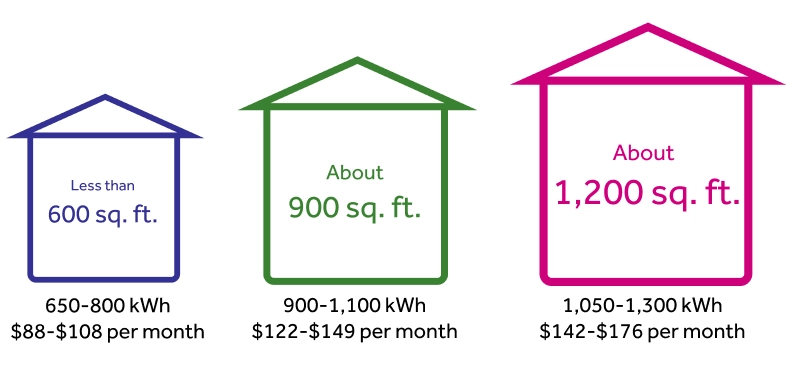
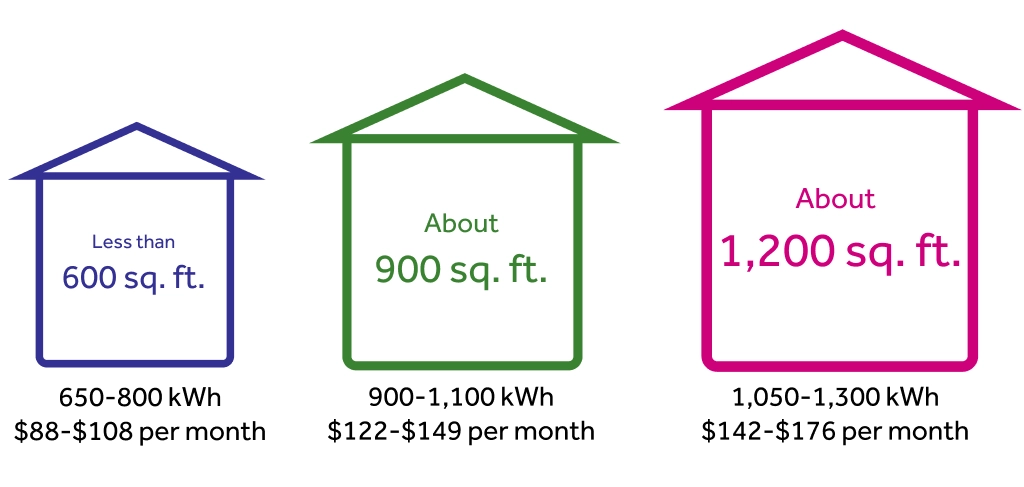
Apartment electricity costs generally increase with square footage and household energy usage. The table below shows estimated average monthly electricity use and costs based on apartment size.


Studio or 1-bedroom unit

2-bedroom apartment

Large apartment or condo

Average apartment size in Texas (sq. ft.) Less than 600 sq. ft. About 900 sq. ft. About 1,200 sq. ft.
Estimated monthly usage in kWh 650-800 kWh per month 900-1,100 kWh per month 1,050-1,300 kWh per month
Estimated monthly electricity cost* $88-$108 per month $122-$149 per month $142-$176 per month

*Figures shown are estimated monthly averages based on Choose Texas Power findings. Actual electricity costs will vary and can change month to month based on additional factors such as individual home electricity use, weather conditions and electricity plan chosen.

Averages Apartment electric bill Texas

How to estimate your apartment electricity bill

Follow these three steps to help calculate your apartment's electricity costs.

Step 1

Calculate your expected monthly electricity usage in kWh. 

Step 2

Find a plan's pricing details by reviewing that specific plan's EFL. You should be able to find this information at the top of the page.

Step 3

Apply the pricing terms in the plan's EFL to your estimated monthly usage.

Seasonal HVAC usage patterns in Texas

Peak cooling season in Texas

High temperatures in Texas can arrive as early as May and typically peak in August—running 10°F to 25°F above average statewide.

Spring and fall dips in temperature

March through May and November are often lower-usage months because HVAC runtime is typically lower.

Winter heating for Texas apartments

Winter electricity usage is usually lower in winter for Texans. Texas can experience cooler temperatures in early November, with frigid winter weather from December through February.

Texas apartment electricity facts and statistics

  1. The average home spends about $1,900 a year on energy bills, with cooling and heating contributing to most of the cost.
  2. Large apartment buildings, constructed in the 2000s, use about 12% less energy than those from the 1970s.
  3. Water heaters account for anywhere between 14% to 25% of at-home energy consumption.

Reliant Degrees of Difference: Free and easy to enroll

Join the Reliant Degrees of Difference Smart Thermostat Program where you can earn a bill credit by automatically conserving energy when it’s needed most.

Join program

Ways to lower electricity use in your apartment

Even as a renter, there are a few things you can do to help improve your apartment’s energy efficiency to ultimately help lower your overall costs.

Schedule professional HVAC maintenance

When properly installed and maintained, an HVAC has an average lifespan of 12 to 15 years. Contact or submit a maintenance request to your property manager if you notice your system is not cooling or heating properly.

Follow the "four-by-four" rule

To follow the 4-by-4 rule, set your thermostat 4 degrees higher when you're away from home for more than 4 hours to help reduce your electricity usage and costs. Bonus points if your apartment already has or can install a smart thermostat.

Run your ceiling fans counterclockwise

Switching your ceiling fans to counterclockwise in the summer can help you feel about 4° cooler.

Keep the heat outside

Close blinds, shades or curtains during the hottest part of the day to maintain a lower indoor temperature.

Use LED bulbs in renter-replaceable fixtures

Energy-efficient light bulbs can last up to 25 times longer and use at least 75% less energy than incandescent bulbs. Leaving the room? Turn off the lights and unplug any electronics that are not in use.

Quick tip: The EPA's Home Energy Yardstick offers a quick energy-efficiency assessment (0 to 10 score) based on how your home uses energy, plus an estimate of annual carbon emissions and personalized ENERGY STAR® recommendations.

Best electricity plan considerations for Texas renters

Before shopping for an apartment electricity plan, consider both apartment and plan benefits to help you choose.

  • Apartment lease length
  • Move-in and move-out dates
  • Type of electricity plan (fixed rate, variable rate, prepaid plan)
  • Ways to pay for your electricity bill like AutoPay
  • Pricing structure (fixed price and TOU)
  • Plan features and perks (free electricity hours and energy bill credits)
  • Plan term flexibility (month-to-month, 12, 24 or 36 months)

Whether you’re renting an apartment for the first or fifth time, you can choose an energy provider in Texas alongside a plan that fits your budget and lifestyle.

Ready to power your apartment?

Whether you're moving into a studio or a larger rental, Reliant offers apartment electricity plans with fast setup, easy billing and tools that help you stay on top of your energy usage.

Shop apartment electricity plans


Categories

Select a category from the drop-down menu.

Frequently asked questions

Show all answers

For many apartments, an average estimated electricity bill in Texas is about $186.21 per month. The figures below are averages, which means actual monthly billed amounts can vary significantly due to variables including weather changes, apartment size, monthly electricity usage and other factors.

  • Studio or small apartment: $88-$108 per month
  • 2-bedroom apartment: $122-$149 per month 
  • Large apartment or condo: $142-$176 per month

Your apartment electric bill may be higher than average because of your apartment’s:

  • Daily sun exposure
  • Floor level
  • HVAC efficiency
  • Insulation quality
  • Number of people living in the apartment
  • Unit size
  • Window efficiency
  • Electricity price

Yes. Apartment size can affect electricity costs because larger units usually require more energy to cool, heat and power. A studio or small 1-bedroom apartment is estimated at 650 to 800 kWh per month, while a 2-bedroom apartment may use 900 to 1,100 kWh and a large apartment or condo may use 1,050 to 1,300 kWh per month.*

There are several ways that you can help potentially lower your monthly electric bill. 

  • Ensure your HVAC receives regular maintenance
  • Set your thermostat 4 degrees higher when you’re away for more than 4 hours
  • Run ceiling fans counterclockwise in summer
  • Close blinds or curtains during the hottest part of the day 
  • Use LED bulbs whenever possible

Cooling is often one of the biggest electricity uses in a Texas apartment, especially during hotter months. Air conditioners account for 18% of total energy costs in Texas, while electric water heaters can account for up to 18% of a home’s energy use.

Average estimated energy use for a 1-bedroom apartment is typically 800 kWh of electricity per month, depending on factors such as occupancy, HVAC usage, appliance efficiency and seasonal weather conditions.*

Average estimated monthly electricity costs for a studio apartment in Texas could range from around $88 to $108 per month.* Actual costs vary based on your energy usage, electricity rate and the apartment's energy efficiency.

Texas electricity bills often increase during the summer because air conditioners run longer and work harder to maintain comfortable indoor temperatures. Factors such as poor insulation, direct sun exposure and older HVAC systems can also contribute to higher electricity usage.

Estimated average usage for a Texas apartment can be between 650 to 1,300 kWh per month, depending on apartment size, household occupancy, building efficiency and seasonal energy demands.

In some cases, yes. Upper-floor apartments may receive more direct sunlight and can become warmer during the summer, which may increase air-conditioning usage and overall electricity consumption.

Apartment age can affect electricity costs. Older buildings may have less efficient insulation, windows and HVAC equipment, while newer buildings often include energy-efficient features designed to reduce energy consumption.

Electric water heaters can account for a significant portion of household energy use. The actual cost depends on the unit's efficiency, household size and how much hot water is used each day. Switching to a heat pump water heater can reduce water heating costs by up to 60%.

The best electricity plan depends on your apartment size, energy habits, budget and preferred contract length. When comparing plans, consider factors such as pricing structure, term length, billing options and any features that align with your lifestyle. Reliant also offers electricity plans designed specifically for apartment renters.

Welcome back! Pick up where you left off.

Confirm your plan and zipcode
Select from 3 of our most popular plans for your zipcode
2 days free per week
100% solar

Reliant Flextra Credits 24 plan

Get your 2 highest-use days a week FREE + $200 in bonus bill credits for extra savings.


Fixed rate
Price protection

Reliant Secure Advantage 24 plan

Straightfoward plan with a locked-in energy charge.


For renters
Popular in your area

Reliant Apartment 12 plan

Designed exclusively for smaller spaces.


Term
2 Months
Rate
Fixed

Pricing Details

USAGE
AVG PRICE / KWH
500 kWh
1,000 kWh
2,000 kWh

Early cancellation fee

Plan Features
Product

Pricing Details

USAGE
AVG PRICE / KWH
500 kWh
1,000 kWh
2,000 kWh

Early cancellation fee

*Average Price per kWh assumes noted usage per month and specific LP&L Delivery Charges (i.e., Residential Service or Residential Distributed Renewable Generation Service). For additional information regarding plan pricing and other terms, please see the Electricity Facts Label, on the Plan Details page. Price shown is for new customers only.