Maximize your solar energy efficiency with smart home technology
Discover how to effectively integrate solar monitoring with smart home systems for enhanced efficiency and energy savings in your home.
Maximize your solar energy efficiency with smart home technology
Discover how to effectively integrate solar monitoring with smart home systems for enhanced efficiency and energy savings in your home.
Smart home technology and solar energy are changing the way we power our homes. As more tools for managing solar-powered electricity become available, homeowners are discovering new ways to reduce energy consumption without sacrificing comfort.
What if your smart home devices could sync with your solar system's performance to maximize efficiency? With the right solar monitoring system, managing your solar energy smart home is now easier than ever. Here, we’ll explore how integrating solar monitoring into smart home systems can help you save money, boost efficiency and gain more control over your usage.
Solar monitoring is a system that tracks how much electricity your solar panels produce, and how that electricity is used throughout your home. It provides real-time insights into your system’s performance, helping you make informed decisions about energy use.
Most solar monitoring setups include:
In a smart home, solar monitoring can play a key role in energy efficiency. It allows you to see when your solar panels are generating the most power and adjust your energy use accordingly. For example, you might schedule your dishwasher or laundry to run during peak solar hours.
Many systems integrate with smart home devices, apps and voice assistants, making it easier to manage your energy use from anywhere. These tools are designed to be user-friendly, with dashboards that show energy trends, alerts for system issues and tips for optimizing performance.
If you're interested in adding solar monitoring to your home, a good place to start is with your solar installer or equipment provider. Many solar energy systems include built-in monitoring tools or offer compatible upgrades that work with smart home platforms. You can also explore options through online retailers or solar manufacturer websites to find a system that fits your needs.
Integrating solar monitoring into your smart home setup offers a range of benefits that go beyond just tracking energy use.
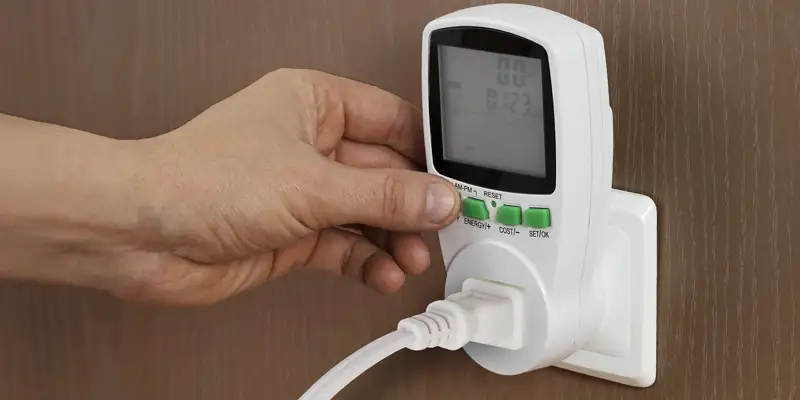
1. Savings – By understanding when your solar panels produce the most energy, your smart home devices, like connected appliances or smart plugs, can schedule tasks during peak solar hours. This reduces your reliance on grid electricity and can lead to lower monthly bills.
2. Increased efficiency – Smart home systems can respond to solar production in real time and ensure that your home is using more clean energy when solar output is high.
3. Convenience and control – Many solar monitoring platforms sync with smart home apps, meaning you can view your energy data anytime, from anywhere. Some systems even allow control through voice assistants, making energy management part of your daily routine.
4. Sustainability – Using solar energy more effectively helps to reduce your carbon footprint. When paired with smart home technology that responds to solar data, it’s easier to make environmentally conscious choices without sacrificing comfort or convenience.
Smart home devices can do more than just automate your lights or adjust your thermostat. They can also help you make the most of your solar energy. When connected to a solar monitoring system, they can respond to real-time energy data, helping to improve efficiency.
Smart thermostats can adjust your home’s temperature based on solar production. If your solar panels are generating excess energy in the middle of the day, your thermostat can pre-cool or pre-heat your home, storing comfort for later without drawing from the grid. Thermostats also learn your habits and optimize settings over time, helping you stay comfortable while using energy more efficiently.
Whole-home energy management systems track energy use across all connected devices. When paired with solar monitoring, they can:
These systems often include mobile apps that integrate with your solar dashboard, giving you a full picture of your home’s energy flow.
Before installing, check for compatibility with your solar setup. Many manufacturers offer guides or compatibility checklists to help you choose the right smart home energy management solutions.
Setting up a smart home that works seamlessly with solar energy starts with a few key steps. Whether you’re upgrading an existing system or starting from scratch, here’s how to get started:
1. Assess your solar energy system – Begin by reviewing your current solar setup (or planning one if you’re starting fresh). Make sure your system includes a solar inverter that supports monitoring and data sharing.
2. Choose compatible smart devices – Look for smart home devices that can respond to solar data. Smart thermostats, energy management hubs and smart plugs are great starting points.
3. Select a solar monitoring platform – Choose a monitoring system that integrates well with your smart home setup. Look for features like:
These tools make it easier to manage your solar energy systems for smart homes and optimize usage.
4. Plan for battery storage (optional but recommended) – Adding solar batteries allows you to store excess energy and use it when solar production is low. This can be especially helpful during peak usage times or outages. Many smart systems can automate when stored energy is used, improving overall efficiency.
5. Avoid common pitfalls – For a smoother experience, stay away from these potential solar integration mistakes:
Smart home technology and solar energy are a powerful combination, and solar monitoring is what brings it all together. Integrating solar monitoring into your smart home system can help you make informed decisions about energy use while saving money and supporting a more sustainable lifestyle.
Whether you’re new to smart homes or looking to expand your setup, Reliant is the perfect place to start when it comes to customizing a system that fits your unique needs.
Select a category from the dropdown menu.