
Nochevieja: Traditions and rituals in Latin America and the United States
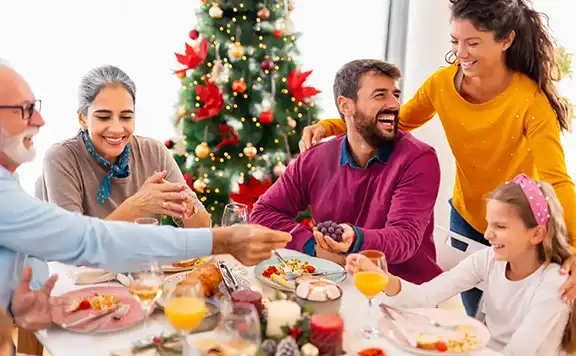
Nochevieja, a New Year’s Eve celebration, brings together cultures and families in the shared hope of a new beginning.


Nochevieja: Traditions and rituals in Latin America and the United States
Nochevieja, a New Year’s Eve celebration, brings together cultures and families in the shared hope of a new beginning.
In Latin America and the United States, year-end customs and celebrations reflect a blend of history, identity and shared wishes for prosperity, love and health.
As a Texas company, Reliant is proud to salute the diverse array of Hispanic celebrations that add flavor to our local communities and reflect traditions that have helped shape our home state.
Every December 31, millions prepare to bid farewell to the old year and welcome the new one with rituals full of symbolism. New Year's Eve has been celebrated since the adoption of the Gregorian calendar in 1582, marking December 31 as the year's end. Over time, each country has incorporated its own traditions, many inherited from Spain, while other customs have survived since pre-Columbian times.
Although each country has its own particularities, some rituals are repeated throughout the region and carry deep meaning.
Eating twelve grapes at midnight
The tradition is to eat one grape for each of the twelve bell strikes at midnight. This custom originated in Spain in the late 19th century, and became popular in 1909, when winegrowers in the region of Alicante promoted eating grapes to sell the surplus in their harvest. Since then, it has become an indispensable rite in Spain and Latin America, symbolizing prosperity and good wishes for each month of the year.
Underwear in different colors
The tradition of wearing different colored underwear at the end of the year, especially red, has its origins in Ancient Rome and China, but it became popular in Europe during the Middle Ages, when people started wearing hidden red garments. Today, yellow represents the desire for wealth, red is used to attract love, green symbolizes health and white stands for peace.
Leaving the house with a suitcase
Walking around the block with a suitcase symbolizes the desire to travel in the coming year, simulating the start of a journey and openness to new experiences.
Lentils and wheat
Much like a tradition from Ancient Rome, eating lentils or placing wheat stalks on the table is believed to bring prosperity.
“Old Year” bonfire
In this tradition, people light a bonfire to let go of negativity and welcome the year ahead. Fire symbolizes purification and renewal, which is why fireworks are also common at midnight.
Traditional music and poetry
Music marks the countdown with songs like Faltan cinco pa’ las doce (5 to 12), by Venezuelan Oswaldo Oropeza, or poems like El brindis del bohemio (The Bohemian's toast), by Mexican Guillermo Aguirre y Fierro.
While these customs vary, they share the same purpose: starting the new year with hope and positive energy.
Mexico
The New Year’s Eve dinner includes dishes like turkey, romeritos (a vegetable-based side dish) cod and apple salad. In addition to grapes, decorative sheep are used to attract abundance, underwear is worn inside out and a toast is made expressing best wishes for the coming year. Fireworks are a staple of the celebration.
Colombia
Bonfires are lit, people walk with suitcases, wear yellow clothes and hold money to attract wealth. Families gather for dinner and then greet neighbors and friends.
Peru
Yellow dominates the celebration, from clothing to decorations. Bonfires are lit and twelve grapes are eaten while making wishes. Tourists travel to Cusco for the annual tradition of walking around the Plaza de Armas at midnight. This custom symbolizes the identity and cultural richness of the region.
Ecuador
The “Old Year” bonfires are the most emblematic tradition. Humorous “testaments” summarizing the year’s events are read, and jumping over the bonfire is considered lucky.
Argentina
In the southern summer, families enjoy cold dinners like fruit salad and vitello tonnato, a veal dish brought by Italian immigrants. At midnight, people make a toast with cider and light fireworks. In La Plata, bonfires are a highly anticipated local tradition.
Brazil
Copacabana Beach becomes the epicenter of celebration, with millions dressed in white to attract peace. Some throw flowers into the sea as offerings, a tradition Brazilians inherited from Africa.
In the U.S., the most iconic celebration takes place in New York’s Times Square, with the famous crystal ball drop at midnight, a tradition that started in 1907. Many Hispanic artists have participated over the years, including Shakira, Christina Aguilera, Yng Lvcas and María Becerra.
Millions follow the New York countdown on TV or in person, and other cities have adopted the tradition of dropping objects like big symbolic peaches in Georgia or pineapples in Hawaii. Many religious communities hold vigils to give thanks for the year that is coming to an end and pray for the new one, a practice known as “Freedom Night,” dating back to the African-American emancipation in 1862.
New Year's Eve in Latin America and the United States is more than a party—it’s a reflection of cultural identity and family unity. From the streets of Mexico City to the beaches of Brazil and to Times Square, each tradition reminds us that the turn of the year is an opportunity to renew dreams and strengthen bonds.
This year, try something new and add some of these customs to your celebration. We wish you a new year full of joy, prosperity and unforgettable moments!
Select a category from the drop-down menu.


