
-
At their core, portable power stations store energy and convert it into usable electricity for your electronics. Most models use lithium-ion batteries and are packed with built-in inverters to turn battery power into usable AC current.

How portable power stations work: A beginner’s guide
New to portable power stations? Discover how they work, what they power and how they compare to traditional backup options like gas generators.
How portable power stations work: A beginner’s guide
New to portable power stations? Discover how they work, what they power and how they compare to traditional backup options like gas generators.
Being prepared and having a backup plan is always a good idea, especially when it comes to the power you need for at-home essentials, on-the-go activities (tailgating, anyone?) and even remote work.
Whether you're facing an unexpected outage, camping in Big Bend or quickly setting up a remote worksite, portable power stations can help keep you running strong and connected to the world. In this guide, we’ll break down everything you need to know about portable power stations, from how they work to which devices they provide power for. Let’s plug in.
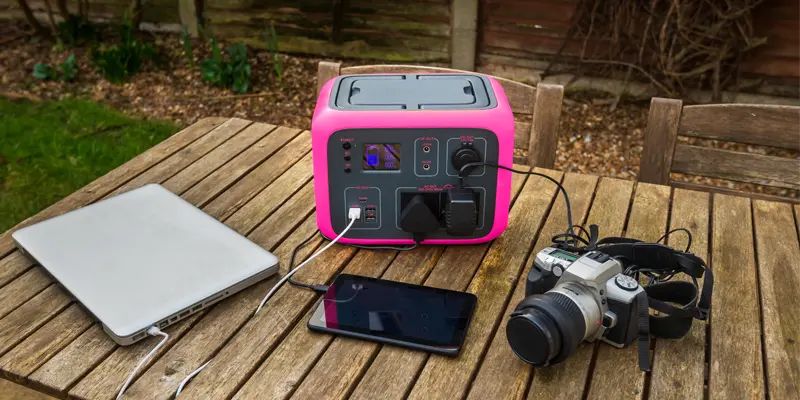
Portable power stations are compact, rechargeable battery units that provide electricity on demand, no gas required. Think of them as go-anywhere wall outlets: They store energy in a battery pack and convert it into usable power to charge or run devices wherever you need them.
These compact and versatile generators are equipped with internal power-storage components, energy-conversion and control systems, and multiple types of output ports.
Here are the key components of a portable power station:
Charging a portable power station is simple. Most models can be charged using a wall outlet, car charger or solar panel, giving you flexible options wherever you are. Depending on the power input and battery capacity, full recharging typically takes between 3 and 7 hours.i
Portable power stations can energize a wide range of devices, including:
Many models include a pure sine wave inverter, which provides clean, stable electricity to help you safely run delicate or sensitive devices that require consistent power flow.
What you can power depends on the size and capacity of your portable power station, measured in watt-hours (Wh). Understanding wattage and the range of available models can help you choose the right unit for your needs:
Ideal for short trips, backpacking or daily commuting portability. Best for charging low-power devices such as:
Great for weekend getaways, car camping or short power outages. Best for charging mid-sized devices such as:
Designed for home backup, RV life or extended off-grid use. Capable of powering larger devices such as:
Two factors determine the lifespan and durability of a portable power station: battery cycle life and daily usage habits.
Not all batteries are created equal. When it comes to portable power stations, here are two battery types you need to know:
A cycle refers to one full charge and discharge. The more cycles a battery can complete, the longer it will serve you.
Want your portable power station to go the distance? Follow these pro tips:
With the right care, your portable power station can keep going strong for years to come.
Portable power stations are generally very safe, especially when used according to manufacturer guidelines. Major brands build their devices with multiple levels of protection to prevent overheating, overloading or short-circuiting.
Your portable power station should offer these essential safety features for total protection:
In Texas, where high temperatures can exceed 110°F in the summer, overheating your portable power station is a valid concern. Be sure to store and operate units in shaded or climate-controlled areas. For winter use (especially in Central and North Texas), avoid leaving power stations in freezing garages or sheds when not in use.
There are plenty of misconceptions about the safety of portable power stations, so let’s clear a few up:
Myth #1: They can easily shock you
Fact: Portable power stations are designed with built-in safety systems and won’t shock you under normal, proper use.
Myth #2: They emit harmful fumes
Fact: Unlike gas generators, portable power stations run on batteries and produce zero emissions, so they don’t require ventilation and are safe for indoor use.
Myth #3: They’re a potential fire hazard
Fact: Modern units are equipped with protective features like battery management systems (BMS) to prevent overheating. Fires are extremely rare and usually the result of severe physical damage or improper charging, not everyday use.
The bottom line: Portable power stations are built with safety in mind. They’re a reliable and worry-free power solution for emergency backup energy or when you’re on the go.
In Texas, where the weather can go from 100-degree heat to ice storms in a hurry, portable power stations come in handy for tailgaters, weekend warriors and even remote ranchers using solar to power barn tools or fencing equipment.
Many newer portable power stations are now compatible with smart home automation systems, giving you even more control over your energy use. With built-in Bluetooth or Wi-Fi, you can monitor your power station’s battery life, set usage schedules or control it remotely, all through a mobile app.
Portable power stations are a simple, reliable way to keep your electronic gadgets charged and your home prepared anytime, anywhere. Whether you're riding out a power outage, heading off on a camping trip or just want an easy backup option, these battery-powered units have you covered. They’re quiet, safe to use indoors or with car adapters and don’t produce any fumes like gas generators. Plus, many models work with solar panels and smart home tech, giving you even more control over your energy use.
Ready to stay powered up? Check out Reliant Energy’s guide to home backup generators and explore our energy plans.
Select a category from the dropdown menu.
At their core, portable power stations store energy and convert it into usable electricity for your electronics. Most models use lithium-ion batteries and are packed with built-in inverters to turn battery power into usable AC current.
Portable power stations store electricity in batteries, convert that power through an inverter and then provide clean, usable energy through various outlets to run or charge devices.
Depending on battery type and usage, portable power stations can last 3–10 years or more with proper care.iv
Yes. Portable power stations come with built-in safety protections and are much safer for indoor use than traditional gas generators.
Portable power stations allow you to power everything from phones and laptops to LED lights, fans, small fridges, CPAP machines and more, depending on your model.
Compared to power banks, which typically only offer USB ports for charging small devices like phones or tablets, portable power stations are much more powerful. They feature a variety of output ports and can power everything from laptops to small kitchen appliances.
Traditional generators run on gasoline, propane or diesel and produce emissions, noise and fumes, making them unsuitable for indoor use. In contrast, portable power stations run on electricity, can be charged via a wall outlet, car or solar panels and are completely silent and emission-free. Many portable power stations with solar charging capabilities are also referred to as solar generators.
Sources:
i Lowes.com How Does a Portable Power Station Work? A Complete Guide
ii Largebattery.com How Long Does a 3.7V Lithium-Ion Cell Typically Last — Large Battery
iii Amernstore.com What is the Real World Lifespan of a 12V 100Ah LiFePO4 Battery?
iv Truegear.com.au What is the Lifespan of a Portable Power Station? — True Gea


