Smart home energy scheduling for peak vs. off-peak electricity hours in Texas


If you’re a Texas shopper considering a time‑of‑use (TOU) or free electricity plan, this guide explains how your home’s energy timing can affect costs. You’ll learn how smart home automation can help you shift your electricity use from peak afternoon hours to lower‑cost or free windows, helping you manage your budget without making major changes to your daily routine.

Smart home energy scheduling for peak vs. off-peak electricity hours in Texas

Smart home energy scheduling for peak vs. off-peak electricity hours in Texas


If you’re a Texas shopper considering a time‑of‑use (TOU) or free electricity plan, this guide explains how your home’s energy timing can affect costs. You’ll learn how smart home automation can help you shift your electricity use from peak afternoon hours to lower‑cost or free windows, helping you manage your budget without making major changes to your daily routine.

Published Date: March 05, 2026

How peak and off‑peak hours affect electricity plans in Texas

Peak and off-peak electricity hours don’t affect every plan the same way. On a traditional fixed-rate electricity plan, your price per kilowatt-hour (kWh) typically stays the same throughout the day.

With a time‑of‑use (TOU) electricity plan, electricity costs can vary based on when you use power, including during free electricity periods. Smart home automation can help by automatically shifting your usage into lower‑cost or free hours. With TOU plans, pricing can vary throughout the day, so understanding peak vs. off‑peak hours can help when choosing a plan and setting up smart energy schedules. Learn more about TOU electricity plans in Texas.

On some Texas plans, smart home tech can help you shift energy use into lower‑cost hours. Research has found that flexible energy use may help some households reduce electricity costs. Read the research.

What are the peak hours for electricity?

Peak electricity hours are the times when demand across the grid is highest. Peak hours usually happen when many households are using electricity at the same time, such as when:

  • Appliances, cooking and electronics are all in use across most homes
  • Heating or cooling systems are running heavily in many households
  • More people are home and using electricity during shared high-use periods

Many electricity providers define peak hours as weekday late afternoons and evenings, often from around 4 p.m. to 9 p.m., though exact timing varies by plan.

What are the off-peak hours for electricity?

Off‑peak hours are times when overall electricity demand is typically lower. These periods often include:

For plans with time‑based pricing, these hours are often lower‑cost and are easier for smart home automation to target automatically.

Texas peak and off-peak patterns

Extreme weather can lead to shifts in electricity demand across Texas. Because of this, peak pricing becomes especially important during:

  • Summer heat waves, when air conditioning usage surges
  • Cold spells, when electric heating increases
  • Extreme weather events

While Texas peak hours often follow the same general late-afternoon-to-evening pattern, seasonal extremes can make the price differences between peak and off-peak much more noticeable.

Smart  home devices to help improve savings

Many modern smart home devices are designed to help manage energy use around peak and off‑peak hours. By automating when appliances run, these tools can reduce the need to watch the clock or set daily reminders. Syncing devices with off‑peak or free electricity periods can make managing energy timing easier with less day‑to‑day effort.

Smart thermostats for temperature management

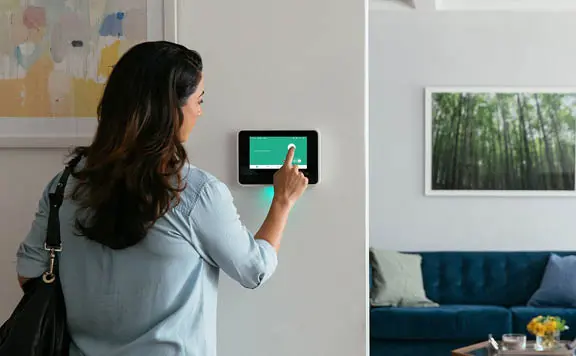
A smart thermostat can help reduce peak-hour demand by automatically shifting heating and cooling into off-peak or free electricity periods on eligible plans. These clever devices can:

  • Automatically dial back A/C usage during peak hours
  • Adjust temperatures based on your schedule or whether anyone’s home
  • Pre-cool your home before peak hours start

For example, some households may pre‑cool their homes earlier in the afternoon, then allow the temperature to adjust by a few degrees during the 4 p.m. to 9 p.m. peak window.

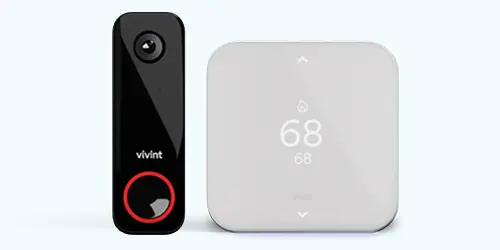
vivint smarter home bundle tstat 65

Reliant customers, get power and protection at your fingertips with the free Reliant Smarter Home Bundle featuring Home Base Essentials from Vivint.

Learn more about the Smarter Home Bundle  

Smart water heaters and energy storage

Water heating is one of the largest sources of energy use after HVAC. Smart water heaters can help manage when energy is used, especially during peak and off‑peak hours. These devices can:

  • Heat water overnight when off-peak electricity rates are lowest
  • Keep water at the right temperature for the most energy efficiency during peak hours

Some advanced systems even pair with home batteries to store energy during off-peak or free electricity periods. That stored energy can then be used later for running the sink, showering or doing laundry.

Smart appliances with scheduling features

Many modern appliances now come with built-in scheduling tools that make it easier to shift energy use without constant effort. Smart appliances with scheduling features may include dishwashers, dryers and EV (electric vehicle) chargers.

With a simple “delay start,” you can run these appliances automatically after peak hours to avoid higher rates. Smart EV chargers take it a step further by charging your vehicle overnight, which aligns well with plans like the Reliant Free Overnight plan, when electricity is available at no charge during designated nighttime hours.

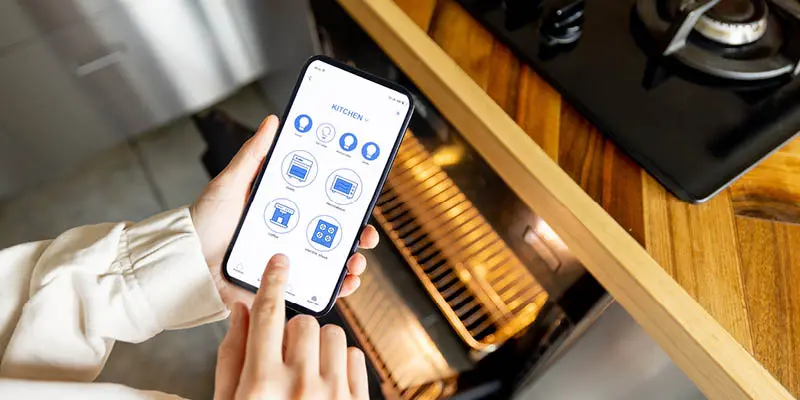
Hand holding smartphone controlling kitchen devices via app


Creating automated peak vs off-peak energy schedules

You already know that shifting tasks into lower-cost windows can increase your savings. Now, it’s time to let the automation do the shifting for you. The biggest savings come from multiple smart devices working together rather than setting up one appliance for efficiency. Automation is where smart home energy management really shines, taking the guesswork out of your energy use.

Smart home routines and scenes

Platforms like Alexa allow you to create automatic smart routines for your home. These smart routines may include:

  • Off-peak mode
  • Peak energy saver
  • Nighttime power schedule

An off-peak mode scene might:

  • Start the dishwasher at 9:30 p.m.
  • Heat water overnight
  • Charge EV at midnight
  • Lower the thermostat slightly before morning

By adjusting your routines, you can spend less time tracking peak hours and more time saving with smart home automation strategies.

Program appliance schedules

To get the most out of off-peak rates, schedule high-energy appliances to run during off-peak windows.

Best times to run appliances during off-peak free electricity hours
 
Appliance
Suggested timing
Air purifiers or humidifiers Overnight or outside peak hours
Dishwashers After sundown or after 9 p.m.
Dryers and washing machines After 9 p.m.
EV chargers Charge overnight
Lighting systems Use natural daylight, and lighting systems in the evening and at night
Ovens Use after 8 p.m. to 9 p.m.
Refrigerators Enable energy-saving or eco mode during peak hours
Water heaters Heat water overnight or early morning using scheduling or smart controls


If you wanted to simply tackle 3 items from this list, for example, you might set up the following:

  • Charge your EV between 12 a.m. and 6 a.m.
  • Run laundry after 9 p.m.
  • Run the pool pump early in the morning

Just like that, your most power-hungry appliances can be stopped from increasing your electricity costs throughout the day.

Smart power strips and smart plugs for non-smart devices

Not every appliance is “smart.” But smart power strips and smart plugs can make it easier to automate practically any plugged-in device. These tools help you control one or multiple devices through an outlet using automated routines, making them useful for off-peak scheduling and energy monitoring. You can use them for:

  • Coffee makers
  • Dehumidifiers
  • Fans
  • Space heaters
  • Window A/C units

Smart power strips and plugs can even help bring energy‑timing control to older appliances.


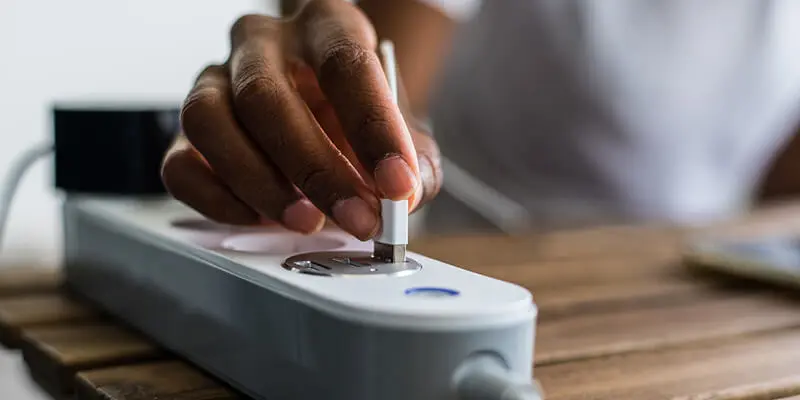
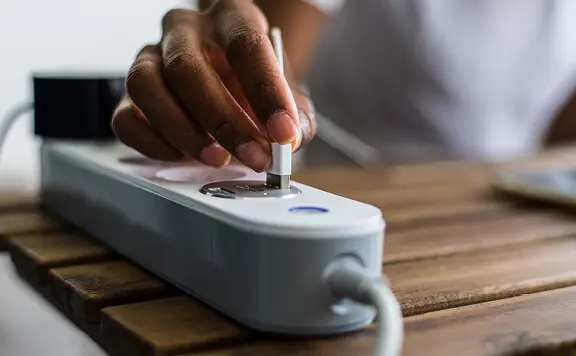
Hand plugging into smart power strip for energy


Monitor and improve your peak vs. off-peak strategy

Once your automations are in place, the next step is to monitor how they perform. Tracking results can help you fine‑tune your setup and see how effectively energy use is shifting away from peak hours when pricing varies.

Smart electric meter integration and real-time monitoring

Many homes now have smart meters that provide:

  • Hourly energy usage data
  • Time-based pricing signals
  • Real-time consumption insights

Digital tools like the Reliant app can show you how much energy you’re using during peak hours, giving you clearer insight into how your usage shifts over time.

Energy usage analytics and tracking

Energy monitoring tools simplify managing your electricity use because they can reveal:

  • Which devices drive your peak consumption
  • How much you save month to month
  • Seasonal shifts in peak demand

By tracking your usage patterns, you can adjust schedules, spot opportunities to save more and make your off-peak strategy work even smarter.

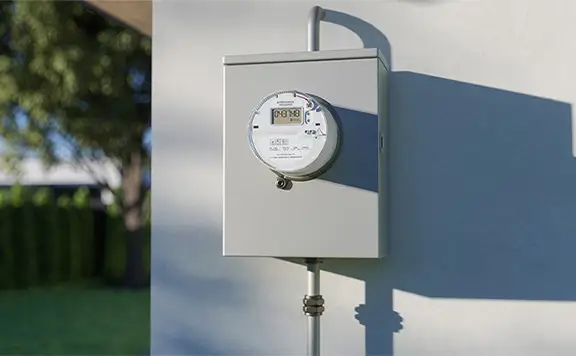
Smart meter on exterior wall of home
A smart electric meter gives you near real‑time insight into how your home uses energy, helping you fine‑tune your peak and off‑peak savings strategy.

Learn more about the benefits of smart meters

Advanced off-peak strategies

Take your energy plan further with smarter tech that can help improve how you use electricity.

Energy storage and battery backup

Home batteries store electricity for later use, which can help shift your energy use into lower‑cost times of day. In Texas, where extreme weather can make electricity needs less predictable, stored energy can add flexibility during free or lower‑cost periods.

Make solar generation more efficient

If you’re exploring solar options, Reliant partners with Sunrun to help customers integrate solar and battery systems into their home energy setups. Smart inverters can help manage how energy flows between your panels, home, battery and the grid, which may make it easier to align usage with peak and off‑peak pricing on eligible plans. Smart solar power setups may:

  • Allow excess energy to be sent to the grid, depending on plan and system design
  • Help support home energy use during peak hours
  • Store energy during daylight hours for later use

With the right setup, solar and battery systems can add flexibility to how you manage energy use during peak pricing periods.

How demand response programs reward smarter energy use

A demand response program may offer customers incentives such as bill credits or rebates, while smart devices do the work for you. By automatically adjusting energy use during periods of high demand, your home can respond without manual changes or constant monitoring. Check with your provider for programs and incentives that reward a smarter way to use energy.

Save more with peak and off-peak automation

In Texas, smart home automation can help make energy timing easier to manage. Aligning smart schedules with your plan via even small changes, such as running appliances during off‑peak hours, adjusting your thermostat around peak demand or charging an EV overnight, you can support smarter energy use with less effort.

Shop all of our electricity plans

Count on Reliant to help you make more informed, empowered choices in all the ways you use energy. Ready to find your Reliant electricity plan?

ZIP is required

Alexa software © 2004-present Amazon.com, Inc. or its affiliates. All rights reserved.


Frequently asked questions


Show all answers

Peak electricity hours in Texas are periods of high demand across the grid, often in the late afternoon and evening. Off-peak hours occur when demand is lower, which can mean lower off-peak electricity rates on time-of-use electricity plans, especially during periods of high ERCOT peak demand.

On time-of-use electricity plans, the best time to run appliances is during off-peak hours or free electricity periods. Off-peak energy scheduling helps you reduce energy costs and get more out of your smart home energy management.

Yes, fixed-rate plans still have peak electricity hours in Texas, but the price per kilowatt-hour (kWh) does not change. Peak hours matter more for managing ERCOT peak demand than for lowering rates.

Yes, smart home automation strategies help align energy use with off-peak electricity rates. Tools like smart thermostats for energy savings make smart home energy management easier and more consistent.

Smart power strips and plugs for energy savings let you schedule or shut off devices automatically during peak hours, making it easier to shift usage to off-peak or free electricity periods.

The cheapest time to charge an EV in Texas is usually overnight, when demand is lower. A smart EV charging schedule can align charging with off-peak or free electricity periods on TOU plans.

View more +

Welcome back! Pick up where you left off.

Confirm your plan and zipcode
Select from 3 of our most popular plans for your zipcode
2 days free per week
100% solar

Reliant Flextra Credits 24 plan

Get your 2 highest-use days a week FREE + $200 in bonus bill credits for extra savings.


Fixed rate
Price protection

Reliant Secure Advantage 24 plan

Straightfoward plan with a locked-in energy charge.


For renters
Popular in your area

Reliant Apartment 12 plan

Designed exclusively for smaller spaces.


Term
2 Months
Rate
Fixed

Pricing Details

USAGE
AVG PRICE / KWH
500 kWh
1,000 kWh
2,000 kWh

Early cancellation fee

Plan Features
Product

Pricing Details

USAGE
AVG PRICE / KWH
500 kWh
1,000 kWh
2,000 kWh

Early cancellation fee

*Average Price per kWh assumes noted usage per month and specific LP&L Delivery Charges (i.e., Residential Service or Residential Distributed Renewable Generation Service). For additional information regarding plan pricing and other terms, please see the Electricity Facts Label, on the Plan Details page. Price shown is for new customers only.