
Three Kings Day celebrations and traditions
Three Kings Day is celebrated on January 6 in many countries, and for some, it’s even more important than Christmas. It's a joyful time for families, which marks the end of the holiday season. Here’s everything you need to know about the magic and traditions of this beloved holiday.

Three Kings Day celebrations and traditions
Three Kings Day is celebrated on January 6 in many countries, and for some, it’s even more important than Christmas. It's a joyful time for families, which marks the end of the holiday season. Here’s everything you need to know about the magic and traditions of this beloved holiday.
According to tradition, the Three Wise Men — Melchior, Gaspar and Balthazar — traveled by camel from distant lands, guided by a star. They traveled from distant lands carrying gifts of gold, frankincense and myrrh. That’s why, every year ahead of this celebration, children write letters to one of the Wise Men, telling them how they have behaved throughout the year so the Kings will bring them a gift. The better they have behaved, the better the gift they’ll receive on the morning of January 6.
In Spain, almost every city and town holds a “Cabalgata de Reyes” on the eve of Three Kings Day. Families gather in the streets to watch the Three Kings ride by on horseback, and a parade, which usually includes floats, fireworks, music and candy for the children. After the parade, kids leave their shoes by a window in the living room, hoping to find them filled with gifts in the morning. They also leave water, nougat or milk for the Kings and their camels to eat and regain strength for their journey. A unique Spanish tradition is leaving a piece of coal instead of a toy if the child misbehaved during the year.
In Mexico, children also write letters to the Wise Men on the eve of Three Kings Day, asking for the toys they want. Some tie their letters to a balloon and release it into the sky, while others leave them in a shoe under the Christmas tree. The next day, that’s where they’ll find the gifts left by the Kings. On January 6, some towns and cities host festivals with music, toy giveaways, rides and, of course, a delicious sweet bread called “Rosca de Reyes.”
In addition to writing letters and receiving gifts, in Puerto Rico, children fill a box with grass for the camels and place it with water under the Christmas tree on the eve of the holiday. While the celebrations happen across the island, the most popular event is the Three Kings Day festival in Juana Díaz, which dates back to 1884. Inspired by Spain’s parades, actors dressed as the Wise Men ride through town on horseback to the rhythm of traditional music until they reach the town square.
In Argentina, Paraguay and Uruguay, children leave grass and water for the camels next to a clean shoe by the door, where they find their gifts on Three Kings Day. In Peru, the holiday also commemorates the day Francisco Pizarro searched for the ideal location to establish Peru’s capital, which is why Lima is known as the “City of Kings.”
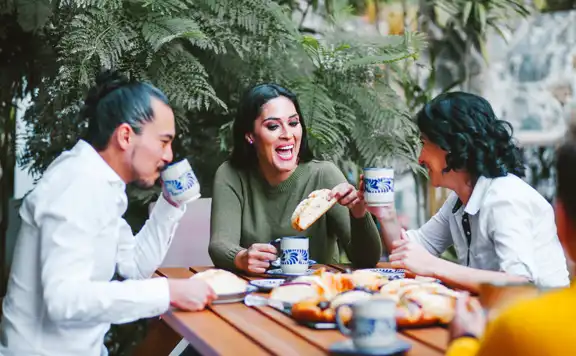
Food is central to holiday celebrations, and each country has its own traditions, but sharing the “Rosca” or “Roscón de Reyes” is essential for Three Kings Day. The rosca (in Latin America) or roscón (in Spain) is a sweet bread shaped like a ring, sometimes filled with cream, and decorated with colorful candied fruits and sugar. It’s typically served with atole, hot chocolate or coffee. Its shape represents a crown, and the colorful fruits symbolize the jewels of the Wise Men’s crowns.
The tradition began in the 14th century in Spain, where a coin was hidden inside the rosca as a prize for whoever found it. Today, instead of a coin, a baby figurine is hidden inside, and whoever finds it must host a party on February 2 for Candlemas Day. In Mexico, the person who finds the figurine must bring tamales to that celebration.
Although Three Kings Day is not an official holiday in the U.S., many Hispanics keep the tradition alive at home. Families gather and celebrate by sharing a rosca. On the eve of the holiday, they place a box with grass or shoes in a spot where children will find their gifts the next day. Hispanic communities in Miami, New York and Dallas also organize festivals or parades. At Reliant, our mission is to support the communities where we live and work, and we’re proud to sponsor community events throughout the year.
Three Kings Day is more than receiving gifts: it’s a day full of traditions and family unity. The celebration reminds us of the importance of generosity, faith and hope. Whether attending a festival or sharing a rosca on Three Kings Day, this holiday is another opportunity to enjoy the company of loved ones. Happy Three Kings Day!
Select a category from the dropdown menu.


